A Chipmunk’s Christmas: Analyzing the Timeless Appeal of "Christmas Don’t Be Late"
Related Articles: A Chipmunk’s Christmas: Analyzing the Timeless Appeal of "Christmas Don’t Be Late"
Introduction
With enthusiasm, let’s navigate through the intriguing topic related to A Chipmunk’s Christmas: Analyzing the Timeless Appeal of "Christmas Don’t Be Late". Let’s weave interesting information and offer fresh perspectives to the readers.
Table of Content
A Chipmunk’s Christmas: Analyzing the Timeless Appeal of "Christmas Don’t Be Late"
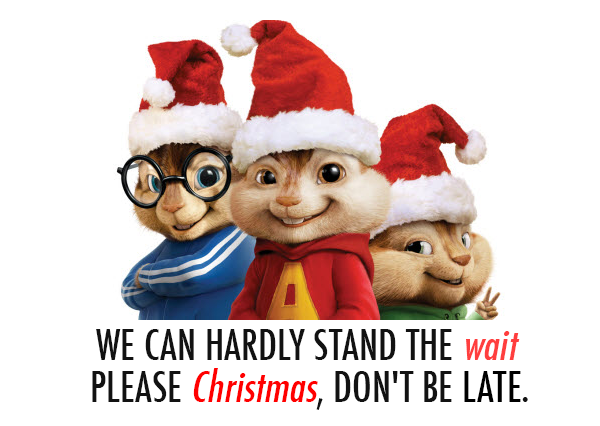
The iconic Christmas song "Christmas Don’t Be Late" by Alvin and the Chipmunks, released in 1958, has become a perennial favorite, resonating with audiences across generations. This seemingly simple song, with its catchy melody and upbeat tempo, carries a deeper message, encapsulating the spirit of Christmas and the anticipation of the holiday. An analysis of the lyrics reveals a multifaceted narrative that resonates with the joy, excitement, and anxieties associated with Christmas.
A Child’s Perspective on Christmas:
The lyrics, primarily sung from the perspective of Alvin, the mischievous and energetic chipmunk, depict the childlike eagerness for Christmas. The song begins with a playful introduction, setting the scene for a child’s perspective on the holiday: "It’s Christmas time again, and I’m so glad to see it. I can’t wait to open up my presents, and I hope Santa brings me everything I need it!" This direct and simple statement encapsulates the joy and excitement of a child anticipating the arrival of Christmas.
The lyrics further explore the child’s desire for gifts, emphasizing the anticipation of receiving presents: "I’ve been a good boy all year long, I’ve tried my best to be good. So Santa, please don’t be late, I’m waiting for you to come." This plea to Santa Claus reflects the child’s belief in the magic of Christmas and their hope that their good behavior will be rewarded with gifts.
The Importance of Family and Togetherness:
Beyond the focus on presents, the song also highlights the importance of family and togetherness during Christmas. The lyrics mention the chipmunks’ anticipation of spending time with their family: "We’re all going to be together, and we’re going to have so much fun. We’re going to sing carols and eat cookies, and we’re going to have a Christmas to remember." This emphasis on family gatherings and shared traditions underscores the true meaning of Christmas, emphasizing the joy of spending time with loved ones.
The Anxiety of Waiting:
While the lyrics primarily express excitement and joy, they also touch upon the anxiety of waiting for Christmas. The phrase "Christmas don’t be late" is repeated throughout the song, reflecting the child’s eagerness for the holiday to arrive. This repetition emphasizes the child’s impatience and the anticipation that comes with waiting for a cherished event.
The Power of Nostalgia:
For many, "Christmas Don’t Be Late" evokes nostalgic memories of childhood Christmases. The song’s simple lyrics and cheerful melody transport listeners back to a time of innocence and wonder, reminding them of the joy and magic associated with the holiday. This nostalgic element contributes to the song’s enduring popularity, allowing listeners to reconnect with the cherished memories of their past Christmases.
The Importance of Music in Celebrating Christmas:
"Christmas Don’t Be Late" demonstrates the power of music in celebrating Christmas. The song’s upbeat tempo and catchy melody create a festive atmosphere, making it a perfect addition to any Christmas playlist. The song’s lyrics, with their focus on joy, family, and anticipation, further contribute to the celebratory spirit of the holiday.
FAQs:
Q: What is the historical context of "Christmas Don’t Be Late?"
A: The song was released in 1958, a time when the popularity of rock and roll was rising. The Chipmunks’ unique high-pitched voices and their catchy tune made them a novelty act that resonated with audiences. The song’s release coincided with the rise of Christmas music as a popular genre, further contributing to its success.
Q: What is the significance of the Chipmunks’ high-pitched voices?
A: The Chipmunks’ high-pitched voices add a playful and whimsical element to the song, emphasizing the childlike perspective of the lyrics. This unique vocal style also contributes to the song’s memorability, making it stand out from other Christmas songs.
Q: How has "Christmas Don’t Be Late" impacted popular culture?
A: "Christmas Don’t Be Late" has become a staple of Christmas music, appearing in numerous Christmas movies, television shows, and commercials. The song’s popularity has also contributed to the enduring legacy of the Chipmunks, making them one of the most recognizable and beloved musical groups of all time.
Tips:
Tip 1: Use "Christmas Don’t Be Late" to create a festive atmosphere: Play the song during Christmas gatherings, parties, or family dinners to create a cheerful and festive ambiance.
Tip 2: Incorporate the song into holiday traditions: Sing the song with family and friends during Christmas celebrations, creating a shared experience and fostering holiday memories.
Tip 3: Use the song as a starting point for discussions about Christmas: Engage children in conversations about the meaning of Christmas, using the song’s lyrics as a guide.
Conclusion:
"Christmas Don’t Be Late" by Alvin and the Chipmunks is more than just a catchy Christmas song. Its lyrics, with their focus on joy, family, and anticipation, capture the essence of the holiday, resonating with audiences of all ages. The song’s enduring popularity is a testament to its timeless appeal, reminding listeners of the magic and wonder associated with Christmas. Whether enjoyed for its nostalgic value or its upbeat energy, "Christmas Don’t Be Late" remains a beloved holiday classic, reminding us of the importance of celebrating Christmas with loved ones.




Closure
Thus, we hope this article has provided valuable insights into A Chipmunk’s Christmas: Analyzing the Timeless Appeal of "Christmas Don’t Be Late". We hope you find this article informative and beneficial. See you in our next article!