A Festive Journey of Wit: Exploring Christmas Riddles for Young Children
Related Articles: A Festive Journey of Wit: Exploring Christmas Riddles for Young Children
Introduction
With great pleasure, we will explore the intriguing topic related to A Festive Journey of Wit: Exploring Christmas Riddles for Young Children. Let’s weave interesting information and offer fresh perspectives to the readers.
Table of Content
A Festive Journey of Wit: Exploring Christmas Riddles for Young Children

The holiday season is often filled with festive cheer, twinkling lights, and the anticipation of gifts. However, amidst the excitement, there exists a unique opportunity to engage young minds with a touch of playful ingenuity: Christmas riddles. These captivating word puzzles offer a delightful way to stimulate critical thinking, foster language development, and create shared moments of laughter and learning.
The Enchanting World of Christmas Riddles
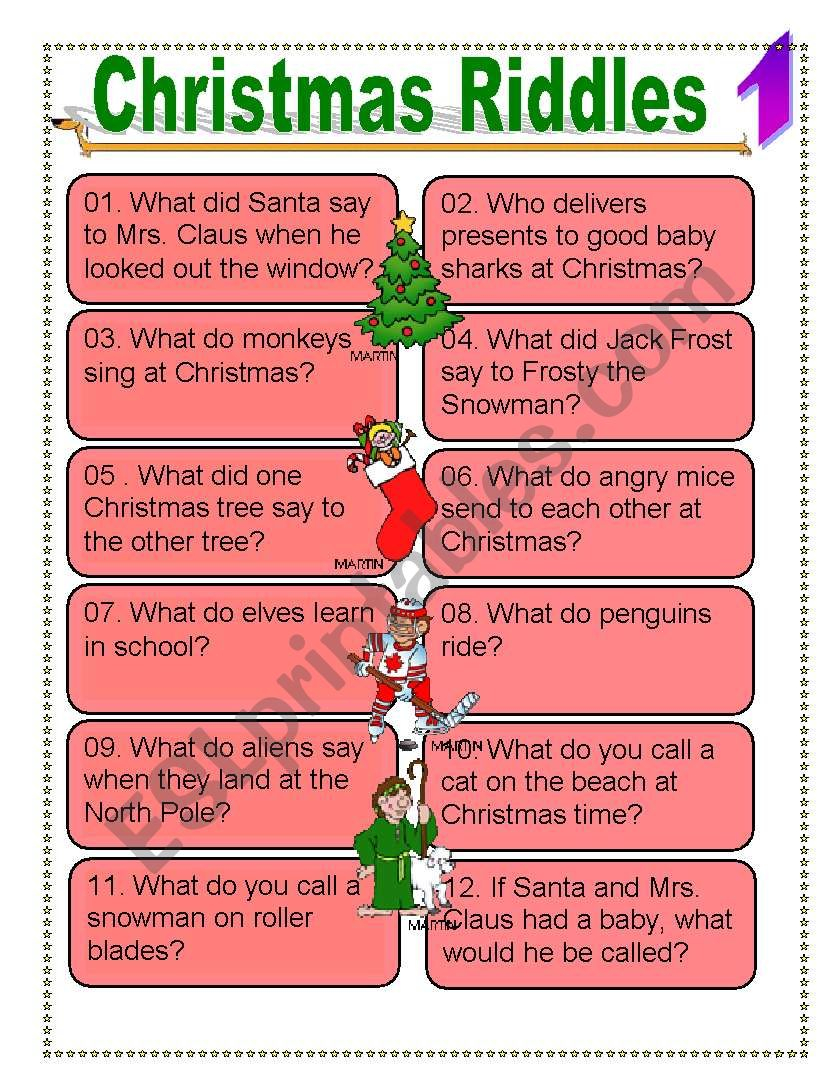
Christmas riddles are cleverly crafted questions that require children to use their knowledge, observation skills, and a dash of imagination to decipher the answer. The focus is on simple, relatable themes associated with the holiday season, such as Santa Claus, reindeer, gifts, and festive decorations. The riddles are typically presented in a lighthearted and engaging manner, encouraging children to participate actively in the guessing game.
Benefits of Engaging with Christmas Riddles
The benefits of introducing Christmas riddles to young children extend beyond mere entertainment. They serve as valuable tools for cognitive development, fostering essential skills that contribute to a child’s overall learning journey:
-
Enhanced Critical Thinking: Christmas riddles encourage children to analyze information, identify clues, and make logical deductions. This process sharpens their critical thinking skills, enabling them to solve problems effectively in various contexts.
-
Vocabulary Expansion: Riddles introduce children to new words and phrases, expanding their vocabulary and improving their understanding of language. The playful nature of riddles makes learning new words enjoyable and memorable.
-
Improved Listening Skills: As children listen attentively to the riddle, they develop their listening comprehension skills. They learn to identify key details and understand the nuances of language, enhancing their overall communication abilities.
-
Boost in Confidence: Successfully solving a riddle instills a sense of accomplishment and confidence in children. This positive reinforcement encourages them to embrace challenges and persevere in their learning endeavors.
-
Family Bonding: Sharing Christmas riddles with family members creates a fun and interactive environment. It fosters communication, strengthens family bonds, and generates laughter and shared memories.
Types of Christmas Riddles for Young Children
Christmas riddles can be tailored to different age groups and developmental stages. Here are some common types:
-
Simple Riddles: These riddles focus on basic concepts and familiar objects, making them ideal for younger children. Examples include:
- What has one eye, but cannot see? (A needle)
- What has a neck but no head? (A bottle)
- What is always coming, but never arrives? (Tomorrow)
-
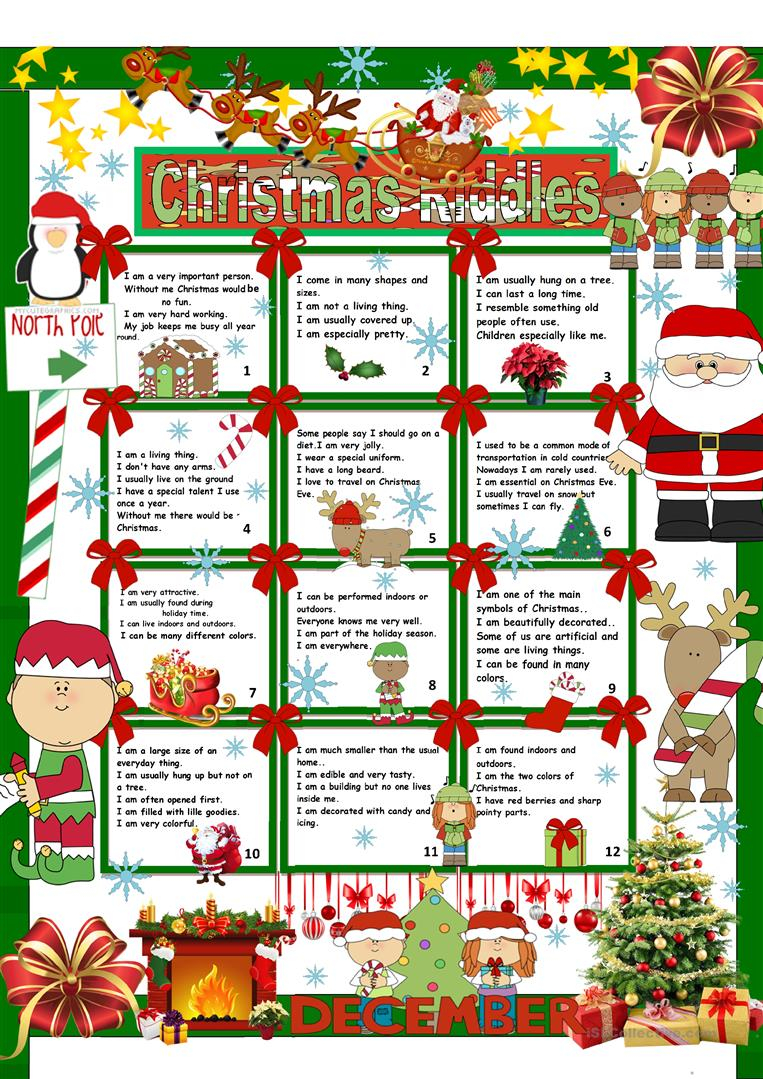
Holiday-Themed Riddles: These riddles directly relate to Christmas traditions and symbols. Examples include:
- I have a long white beard and wear a red suit. Who am I? (Santa Claus)
- I fly through the sky with eight tiny reindeer. Who am I? (Santa Claus)
- I am hung on a tree and decorated with lights. What am I? (A Christmas tree)
-
Rhyming Riddles: These riddles use rhyming words to create a playful and memorable format. Examples include:
- I’m red and white, and full of cheer, I come down the chimney, once a year. What am I? (Santa Claus)
- I’m long and green, with needles so bright, I stand tall and proud, in the winter’s night. What am I? (A Christmas tree)
-
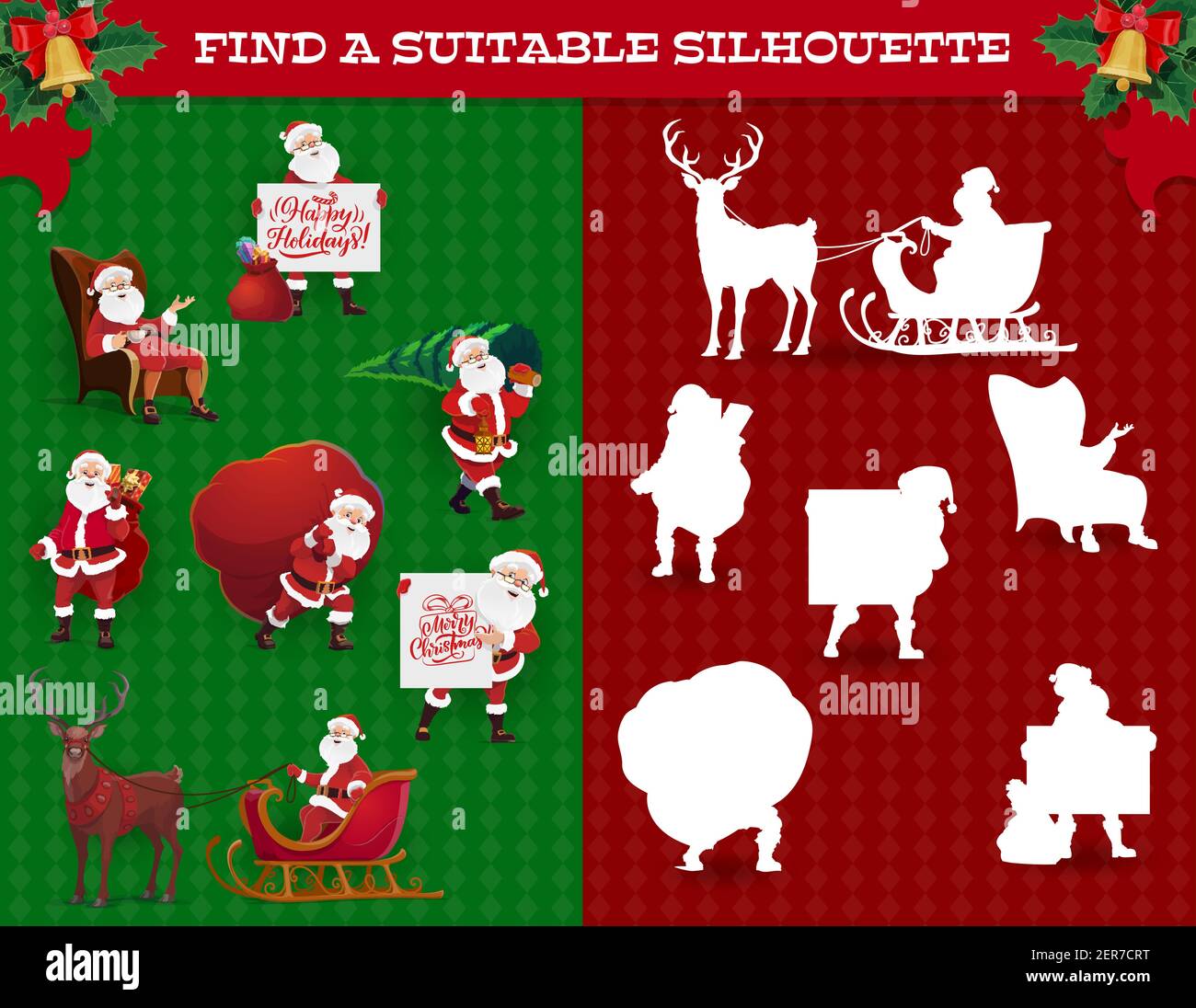
Picture Riddles: These riddles use images instead of words, making them accessible to children who are still learning to read. The image provides a visual clue, while the riddle encourages children to use their observation and problem-solving skills.
Tips for Creating Engaging Christmas Riddles
Creating your own Christmas riddles can be a fun and rewarding experience. Here are some tips to ensure your riddles are engaging and age-appropriate:
-
Keep it Simple: Use clear and concise language that is easily understood by young children. Avoid complex vocabulary or abstract concepts.
-
Focus on Holiday Themes: Relate the riddles to familiar Christmas traditions, characters, and symbols. This makes the riddles more relevant and engaging for children.
-
Use Visual Aids: Include pictures or objects to support the riddle and provide visual clues. This can be particularly helpful for younger children.
-
Encourage Participation: Ask children to guess the answers and celebrate their efforts, even if they are incorrect. This fosters a positive learning environment.
-
Make it Fun: Incorporate humor, rhyme, or playful language to make the riddles enjoyable for children.
FAQs about Christmas Riddles for Young Children
Q: What age are Christmas riddles appropriate for?
A: Christmas riddles can be enjoyed by children of all ages, with variations in difficulty level. Simple riddles are suitable for toddlers and preschoolers, while more complex riddles can challenge older children.
Q: How can I make Christmas riddles more engaging?
A: Incorporate visual aids, use playful language, and encourage children to participate actively in the guessing game. You can also create themed riddles based on specific Christmas traditions or characters.
Q: What are some good resources for finding Christmas riddles?
A: There are numerous websites, books, and apps that offer a wide selection of Christmas riddles for children. You can also find printable riddle sheets and activity books at local bookstores or online retailers.
Conclusion
Christmas riddles offer a delightful blend of entertainment and learning for young children. They stimulate critical thinking, enhance vocabulary, and foster a love for language. By incorporating these playful puzzles into the holiday season, parents and educators can create memorable moments of laughter, engagement, and intellectual growth. As children embark on their festive journey of wit, they will discover the magic of words and the joy of solving puzzles, creating cherished memories that will last a lifetime.




Closure
Thus, we hope this article has provided valuable insights into A Festive Journey of Wit: Exploring Christmas Riddles for Young Children. We hope you find this article informative and beneficial. See you in our next article!