The Biblical Meaning of Christmas: A Journey of Hope, Peace, and Redemption
Related Articles: The Biblical Meaning of Christmas: A Journey of Hope, Peace, and Redemption
Introduction
With enthusiasm, let’s navigate through the intriguing topic related to The Biblical Meaning of Christmas: A Journey of Hope, Peace, and Redemption. Let’s weave interesting information and offer fresh perspectives to the readers.
Table of Content
The Biblical Meaning of Christmas: A Journey of Hope, Peace, and Redemption

While the modern celebration of Christmas is often associated with festive traditions, gift-giving, and a focus on Santa Claus, its true meaning lies deeply embedded within the narratives of the Bible. The birth of Jesus Christ, commemorated on Christmas Day, represents a pivotal moment in the Christian faith, carrying profound theological implications and offering a message of hope, peace, and redemption for humanity.
The Prophecy and Fulfillment:
The Old Testament lays the groundwork for the arrival of the Messiah, foreshadowing the birth of a savior who would bring salvation to the world. Prophetic passages in Isaiah, Micah, and other prophets paint a picture of a righteous king who would usher in a new era of justice, peace, and reconciliation. These prophecies, often referred to as the "Messianic prophecies," provided a framework for understanding the significance of Jesus’ birth.
The Incarnation: God Made Flesh
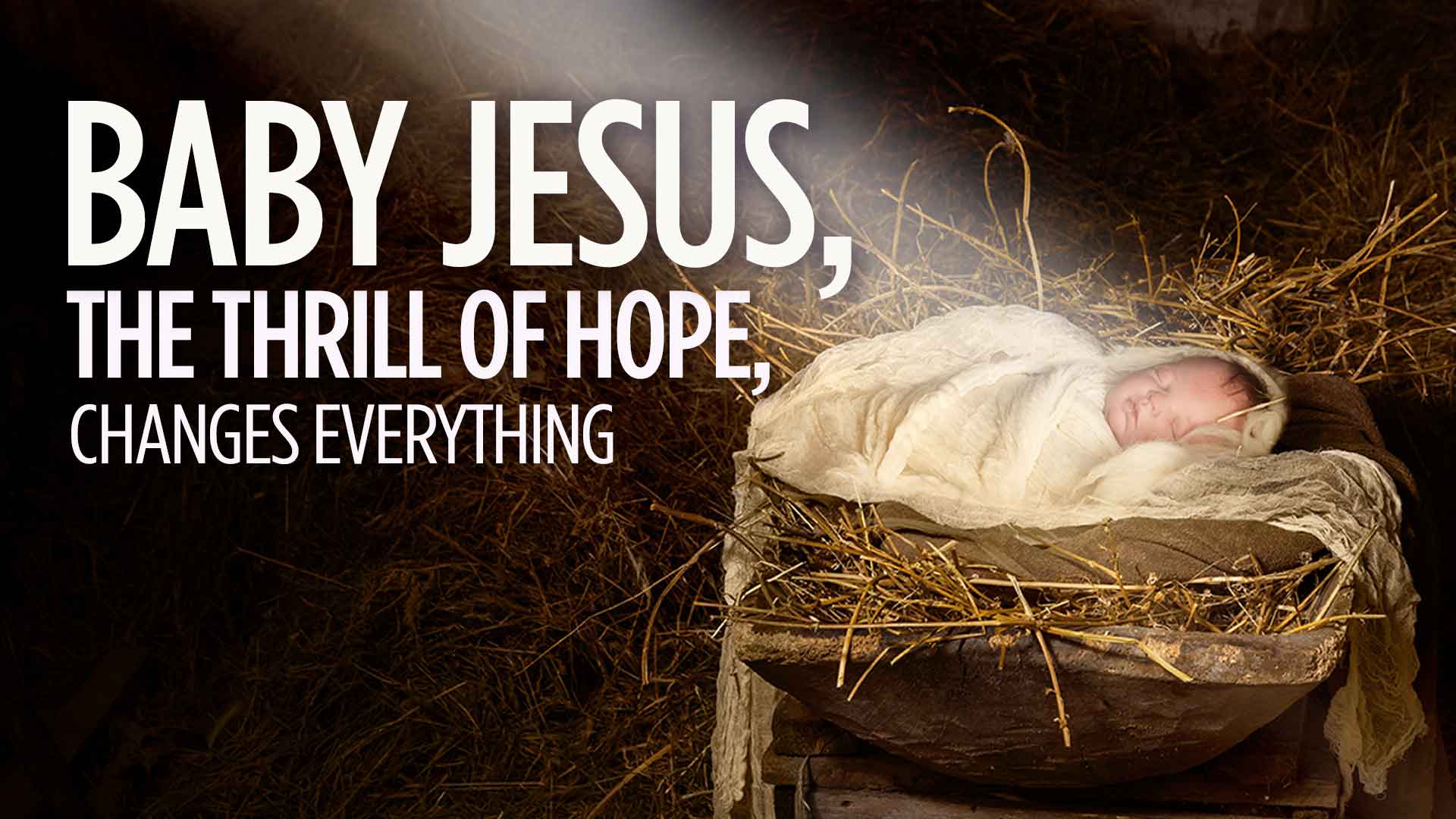
The Gospel of Luke narrates the story of Jesus’ birth in Bethlehem, a small town in Judea. Mary, a virgin, is chosen to be the mother of Jesus, who is conceived by the Holy Spirit. This miraculous event, known as the Incarnation, signifies the embodiment of God in human form. The Son of God, who existed eternally with the Father, takes on human flesh, becoming one with humanity.
The Significance of Bethlehem:
The choice of Bethlehem as Jesus’ birthplace holds significant meaning. Bethlehem was the birthplace of King David, the ancestor of Jesus, and was considered the "city of David." This connection highlights the lineage of Jesus as the rightful heir to the throne of David, fulfilling the prophecies of a king who would rule over Israel and ultimately, the world.
The Shepherds and the Star:
The story of the shepherds, who are the first to witness the birth of Jesus, underscores the universality of God’s love. These humble shepherds, tending their flocks at night, are chosen to receive the good news of the Savior’s arrival. The appearance of the star, guiding the wise men from the East to the newborn king, symbolizes the light of hope that Jesus brings to the world.
The Meaning of Jesus’ Birth:
The birth of Jesus marks the beginning of a new era, an era of redemption and reconciliation. Jesus’ arrival signifies the fulfillment of God’s promise to restore humanity to a right relationship with Him. His birth symbolizes:
- Hope: Jesus’ birth offers hope for a better future, a future free from sin, death, and despair.
- Peace: Jesus is the "Prince of Peace," who brings reconciliation between God and humanity, and between people themselves.
- Redemption: Jesus’ sacrifice on the cross ultimately redeems humanity from the consequences of sin, offering forgiveness and eternal life.
The Importance of Christmas:
The celebration of Christmas serves as a reminder of the profound impact of Jesus’ birth on human history. It is a time to reflect on the love, mercy, and grace that God has bestowed upon humanity through the Incarnation. Christmas invites us to:
- Embrace the message of hope: To find hope in the midst of hardship and believe in a future filled with God’s love.
- Celebrate the gift of peace: To strive for peace in our relationships with others, and to work towards a world free from conflict.
- Recognize the power of redemption: To acknowledge the need for forgiveness and to embrace the opportunity for a fresh start through Christ.
FAQs about the Biblical Meaning of Christmas:
- Why is Christmas celebrated on December 25th? The exact date of Jesus’ birth is unknown. The early church adopted December 25th as the date for Christmas, possibly to coincide with pagan celebrations of the winter solstice.
- What is the significance of the gifts given to Jesus by the wise men? The gifts of gold, frankincense, and myrrh represent the kingship, divinity, and sacrificial nature of Jesus.
- How does Christmas relate to the Christian faith? Christmas is a central celebration in the Christian faith, marking the birth of Jesus Christ, who is believed to be the Son of God and the Savior of humanity.
- Is Christmas a holiday for everyone? While Christmas is widely celebrated as a secular holiday, it holds deep religious significance for Christians.
Tips for Understanding the Biblical Meaning of Christmas:
- Read the Bible: The Gospels of Matthew and Luke provide detailed accounts of Jesus’ birth.
- Study the prophecies: Explore the Old Testament prophecies that foreshadowed the coming of the Messiah.
- Reflect on the meaning: Take time to ponder the significance of Jesus’ birth and the message of hope, peace, and redemption it carries.
- Share the message: Share the true meaning of Christmas with others, explaining its importance beyond the commercial aspects.
Conclusion:
The biblical meaning of Christmas transcends the festive decorations and gift-giving associated with the holiday. It is a celebration of the incarnation of God, the birth of Jesus Christ, and the profound impact this event has had on human history. Christmas offers a message of hope, peace, and redemption, a reminder of God’s love for humanity and the promise of a better future. By understanding the true meaning of Christmas, we can celebrate this holiday with a deeper appreciation for its significance and draw inspiration from the message it conveys.




Closure
Thus, we hope this article has provided valuable insights into The Biblical Meaning of Christmas: A Journey of Hope, Peace, and Redemption. We appreciate your attention to our article. See you in our next article!