The Christmas Pudding: A Celebration of Tradition, Community, and Festive Indulgence
Related Articles: The Christmas Pudding: A Celebration of Tradition, Community, and Festive Indulgence
Introduction
In this auspicious occasion, we are delighted to delve into the intriguing topic related to The Christmas Pudding: A Celebration of Tradition, Community, and Festive Indulgence. Let’s weave interesting information and offer fresh perspectives to the readers.
Table of Content
The Christmas Pudding: A Celebration of Tradition, Community, and Festive Indulgence
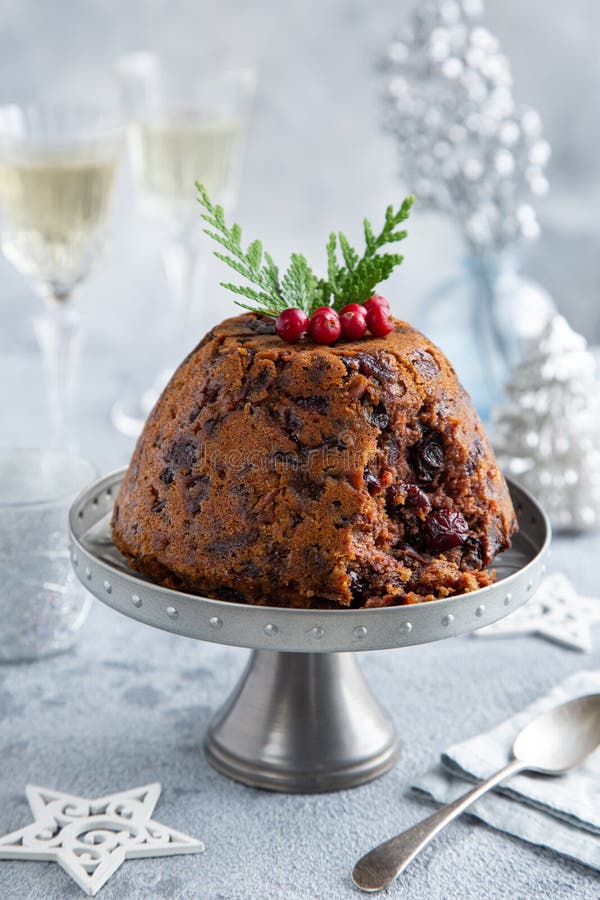
The Christmas pudding, a dense, rich, and fruit-laden dessert, is a culinary icon deeply intertwined with the festive spirit of Christmas. Its presence on the holiday table transcends mere sustenance; it embodies a rich tapestry of tradition, symbolism, and communal celebration. Understanding the Christmas pudding requires delving into its historical roots, its unique ingredients, and the cultural significance it holds across the globe.
A Journey Through Time: The Evolution of the Christmas Pudding
The origins of the Christmas pudding can be traced back to medieval England, where a simple, boiled porridge known as "frumenty" was a staple during the Christmas season. This porridge, made with wheat, milk, and spices, evolved over time, incorporating dried fruits, nuts, and alcohol, gradually transforming into the dense, fruit-filled pudding we know today.
The 17th century saw the rise of "plum pudding," named for the abundance of dried plums used in its preparation. This period also saw the introduction of suet, a beef fat, which provided the pudding with its characteristic rich texture and flavor. The Victorian era witnessed the Christmas pudding becoming a central element of the holiday feast, with its preparation becoming a communal event involving family and friends.
The Ingredients: A Symphony of Flavors and Symbolism
The Christmas pudding’s ingredients, beyond their culinary contribution, hold deep symbolism. The dried fruits, like currants, raisins, and sultanas, represent the abundance and prosperity desired for the coming year. The spices, including cinnamon, nutmeg, and cloves, symbolize the warmth and joy of the season. The suet, while providing richness, also represents the bounty of the land and the sacrifice of the season.
The inclusion of alcohol, often brandy or rum, adds another layer of meaning. Its fiery nature symbolizes the warmth of the hearth and the spirit of celebration. The act of igniting the pudding with brandy, creating a dramatic flame, represents the light of hope and the warmth of the Christmas season.
A Celebration of Community: The Ritual of Pudding Making
The preparation of the Christmas pudding is a communal ritual that strengthens family bonds and fosters a sense of togetherness. Traditionally, the pudding is made weeks before Christmas, with each family member contributing to the mixing process. This tradition reinforces the idea of shared responsibility and collective effort in celebrating the holiday.
The act of stirring the pudding is also imbued with symbolism. Each family member takes turns stirring the mixture, making a wish for the coming year. This simple act becomes a shared moment of hope and anticipation, uniting the family in a common purpose.
Beyond the Plate: The Cultural Significance of the Christmas Pudding
The Christmas pudding holds a prominent place in the cultural fabric of various nations. In the United Kingdom, it is an integral part of the Christmas dinner, often served with brandy butter or custard. In Australia and New Zealand, the Christmas pudding is a beloved tradition, often enjoyed with ice cream or whipped cream.
In other parts of the world, the Christmas pudding may be adapted to local tastes and traditions. For instance, in Germany, a similar dessert called "Weihnachtspudding" is often made with almonds and marzipan.
FAQs about the Christmas Pudding
1. Why is the Christmas pudding so dense?
The Christmas pudding’s density is due to the high proportion of suet and dried fruits used in its preparation. The suet provides richness and a dense texture, while the dried fruits contribute to the pudding’s weight and substance.
2. What is the traditional way to serve the Christmas pudding?
Traditionally, the Christmas pudding is served warm, often doused with brandy and set alight. It is usually served with custard, brandy butter, or whipped cream.
3. Can I make the Christmas pudding ahead of time?
Yes, the Christmas pudding is best made ahead of time and allowed to mature for several weeks. This allows the flavors to develop and the pudding to become more moist and flavorful.
4. What can I do if my Christmas pudding is too dense?
If your Christmas pudding is too dense, you can try adding a bit of extra liquid, such as brandy or orange juice, during the cooking process. You can also try steaming the pudding for a longer period of time.
5. What are some variations of the Christmas pudding?
There are many variations of the Christmas pudding, including those with added nuts, spices, or chocolate. Some variations are also made with different types of alcohol, such as rum or port wine.
Tips for Making the Perfect Christmas Pudding
1. Use high-quality ingredients: The quality of your ingredients will greatly affect the taste and texture of your Christmas pudding. Choose plump, juicy dried fruits and fresh, flavorful spices.
2. Don’t overmix the batter: Overmixing the batter can make the pudding tough. Mix the ingredients just until they are combined.
3. Steam the pudding properly: The pudding should be steamed for a long period of time to ensure that it is cooked through and the flavors have developed.
4. Allow the pudding to mature: The Christmas pudding is best made ahead of time and allowed to mature for several weeks. This will allow the flavors to deepen and the pudding to become more moist.
5. Serve the pudding with a festive flair: Serve the Christmas pudding with a touch of brandy butter, custard, or whipped cream for a truly celebratory experience.
Conclusion
The Christmas pudding, with its rich history, symbolic ingredients, and communal preparation, represents a tapestry of tradition, celebration, and indulgence. Its presence on the holiday table evokes a sense of warmth, togetherness, and the enduring spirit of Christmas. Beyond its culinary appeal, the Christmas pudding serves as a reminder of the shared values of community, generosity, and the joy of celebrating life’s special moments.
/traditional-christmas-pudding-recipe-435070-hero-01-2589947344294cd0981142bebe320ef7.jpg)




Closure
Thus, we hope this article has provided valuable insights into The Christmas Pudding: A Celebration of Tradition, Community, and Festive Indulgence. We appreciate your attention to our article. See you in our next article!