The Enduring Legacy of "Rudolph the Red-Nosed Reindeer": A Timeless Christmas Classic
Related Articles: The Enduring Legacy of "Rudolph the Red-Nosed Reindeer": A Timeless Christmas Classic
Introduction
With enthusiasm, let’s navigate through the intriguing topic related to The Enduring Legacy of "Rudolph the Red-Nosed Reindeer": A Timeless Christmas Classic. Let’s weave interesting information and offer fresh perspectives to the readers.
Table of Content
The Enduring Legacy of "Rudolph the Red-Nosed Reindeer": A Timeless Christmas Classic
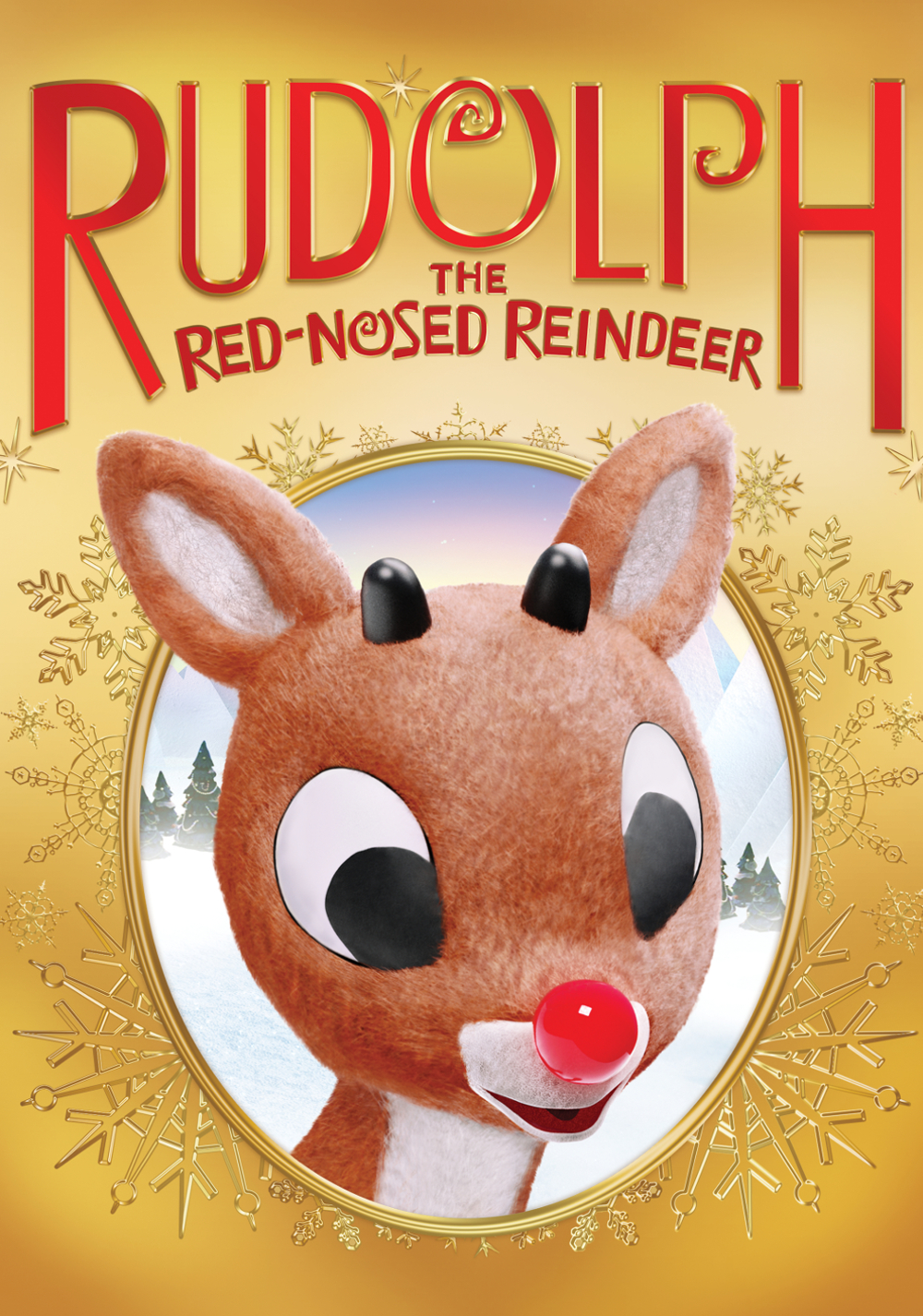
"Rudolph the Red-Nosed Reindeer" is more than just a catchy holiday tune. It is a cultural phenomenon that has resonated with generations, transcending its initial release in 1949 to become an integral part of the Christmas season. The song’s enduring popularity stems from its universal themes of acceptance, individuality, and the power of embracing differences, themes that resonate with audiences of all ages.
The Origins of a Christmas Icon:
The song’s origins lie in the creative mind of Robert L. May, a copywriter for the Montgomery Ward department store. In 1939, May penned a story about a reindeer with a luminous nose, initially titled "Rudolph the Red-Nosed Reindeer." The story was intended as a promotional giveaway for the store, but it quickly caught the attention of the public.
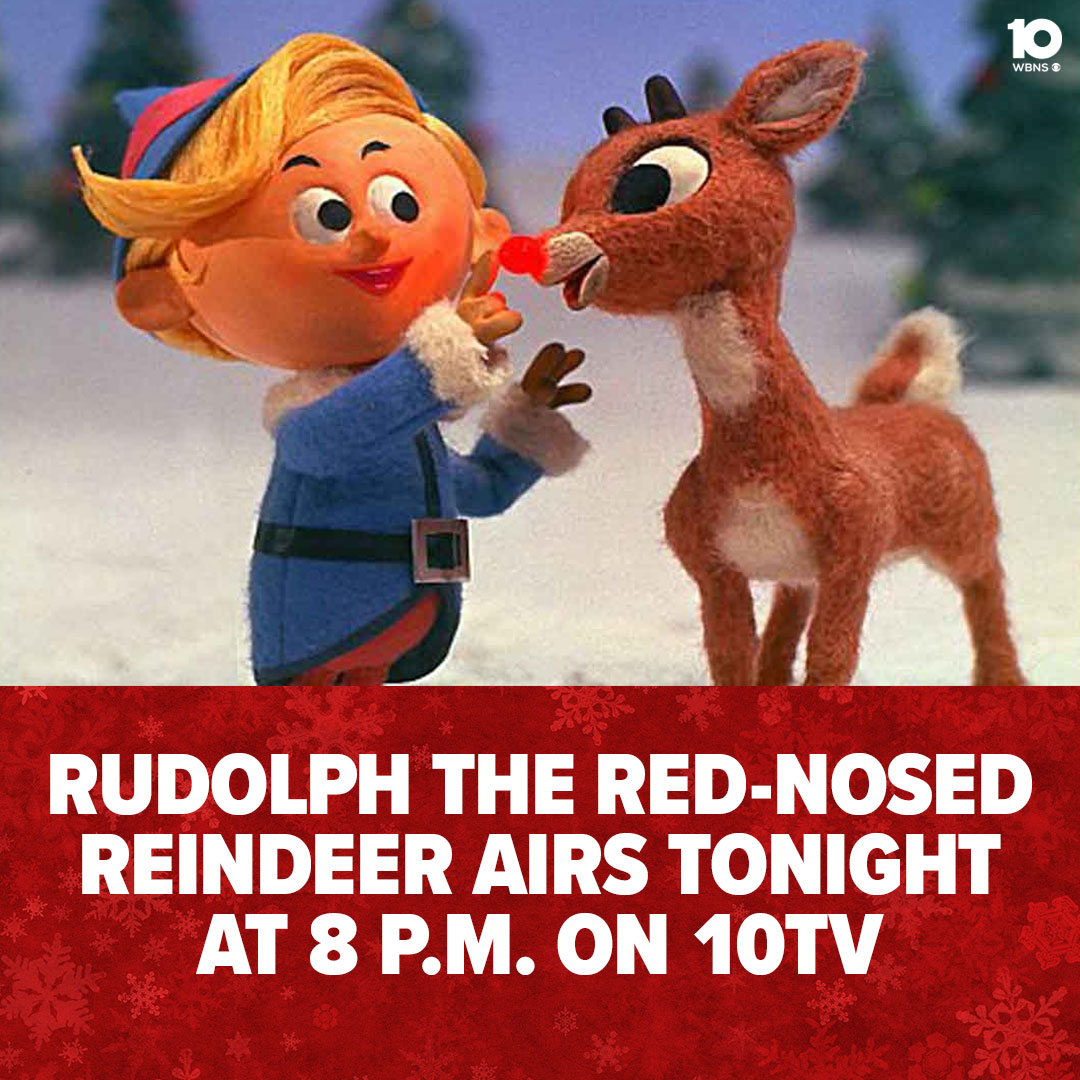
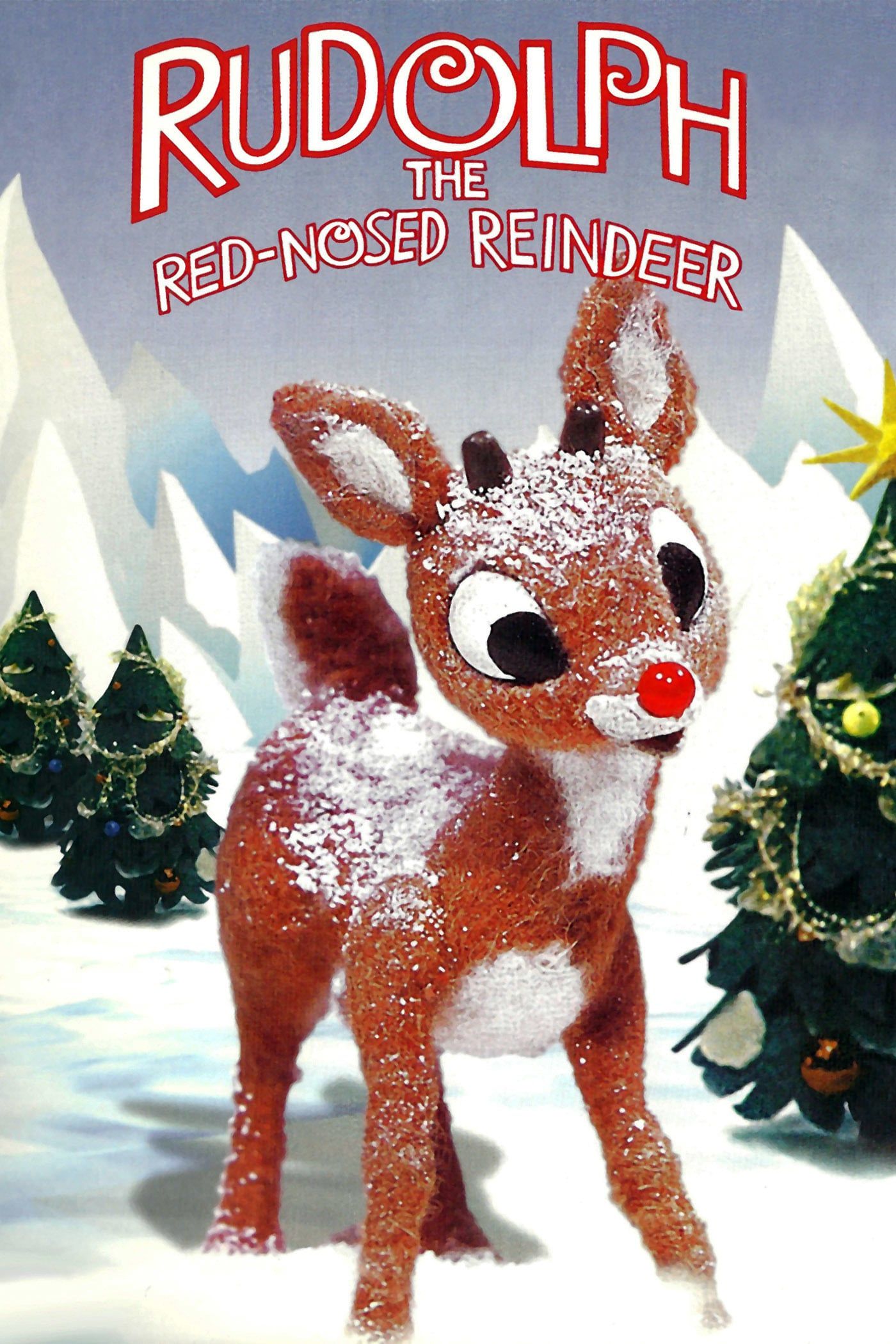
In 1949, May collaborated with composer Johnny Marks to transform the story into a song. The song’s popularity skyrocketed, reaching the top of the Billboard charts and becoming a staple on radio stations across the country. Its success spawned a plethora of adaptations, including a beloved animated television special that debuted in 1964 and continues to be aired annually, captivating audiences with its heartwarming narrative and iconic characters.
Themes of Acceptance and Individuality:
The song’s enduring appeal lies in its simple yet profound message: embracing individuality and celebrating differences. Rudolph, the protagonist, is ostracized for his unique, shining nose. He is initially ridiculed and deemed "different" by his peers. However, when a blizzard threatens Christmas Eve, Rudolph’s seemingly "flawed" nose becomes his greatest asset, guiding Santa’s sleigh through the storm. This narrative arc celebrates the power of embracing individuality and recognizing the value of seemingly "imperfect" traits.
The song’s message of acceptance resonates deeply with children who often struggle to fit in and feel accepted. It teaches them that being different is not a weakness but a source of strength and potential. This message is as relevant today as it was decades ago, encouraging children to celebrate their unique qualities and embrace their individuality.
The Cultural Impact of "Rudolph the Red-Nosed Reindeer":
The song’s influence extends far beyond its musical impact. It has become a cultural phenomenon, inspiring countless adaptations and interpretations. The animated television special, a beloved classic, has introduced generations to the characters of Rudolph, Santa Claus, and the other reindeer, solidifying their place in popular culture.
The song’s enduring popularity has also led to the creation of countless merchandise, from toys and clothing to Christmas decorations and even a Broadway musical. The song has been translated into numerous languages, further expanding its global reach and solidifying its status as a universal symbol of the Christmas spirit.
Beyond the Song: The Enduring Power of the Narrative:
"Rudolph the Red-Nosed Reindeer" is more than just a catchy tune; it is a timeless story about acceptance, individuality, and the power of embracing differences. The song’s enduring appeal lies in its ability to connect with audiences on an emotional level, reminding them of the importance of celebrating their unique qualities and recognizing the value of diversity.
The song’s message of acceptance and inclusivity continues to resonate with audiences of all ages, making it a timeless classic that transcends generations. Its impact on popular culture is undeniable, solidifying its place as an integral part of the Christmas season and a powerful reminder of the importance of embracing individuality.
FAQs on "Rudolph the Red-Nosed Reindeer":
1. Who wrote the song "Rudolph the Red-Nosed Reindeer"?
The song was written by Johnny Marks, based on a story by Robert L. May.
2. When was the song first released?
The song was first released in 1949.
3. What is the significance of Rudolph’s red nose?
Rudolph’s red nose is a symbol of individuality and the power of embracing differences. It represents the fact that what is often perceived as a flaw can be a source of strength and potential.
4. Why is "Rudolph the Red-Nosed Reindeer" so popular?
The song’s enduring popularity stems from its universal themes of acceptance, individuality, and the power of embracing differences. It resonates with audiences of all ages and continues to be a beloved classic.
5. What is the significance of the animated television special?
The animated television special, which debuted in 1964, is a beloved classic that has introduced generations to the characters of Rudolph, Santa Claus, and the other reindeer. It is a visual interpretation of the song’s message of acceptance and inclusivity.
Tips for Enjoying "Rudolph the Red-Nosed Reindeer":
1. Watch the animated television special: The special is a visual treat that brings the story to life with its charming animation and iconic characters.
2. Listen to the song with family and friends: The song is a perfect way to create a festive atmosphere during the holiday season.
3. Share the story’s message of acceptance with children: The song provides a valuable lesson about the importance of embracing individuality and celebrating differences.
4. Explore other adaptations of the story: From books to musicals, there are numerous adaptations of the story that offer different perspectives on the themes of acceptance and individuality.
Conclusion:
"Rudolph the Red-Nosed Reindeer" is more than just a catchy Christmas tune. It is a timeless story about acceptance, individuality, and the power of embracing differences. The song’s enduring appeal lies in its ability to connect with audiences on an emotional level, reminding them of the importance of celebrating their unique qualities and recognizing the value of diversity.
Its cultural impact is undeniable, solidifying its place as an integral part of the Christmas season and a powerful reminder of the importance of embracing individuality. As long as people continue to celebrate the Christmas spirit, "Rudolph the Red-Nosed Reindeer" will remain a timeless classic, reminding us of the importance of acceptance and the power of embracing our differences.





Closure
Thus, we hope this article has provided valuable insights into The Enduring Legacy of "Rudolph the Red-Nosed Reindeer": A Timeless Christmas Classic. We thank you for taking the time to read this article. See you in our next article!