The Enduring Magic of Christmas Music: A Journey Through Top Hits and Their Significance
Related Articles: The Enduring Magic of Christmas Music: A Journey Through Top Hits and Their Significance
Introduction
In this auspicious occasion, we are delighted to delve into the intriguing topic related to The Enduring Magic of Christmas Music: A Journey Through Top Hits and Their Significance. Let’s weave interesting information and offer fresh perspectives to the readers.
Table of Content
The Enduring Magic of Christmas Music: A Journey Through Top Hits and Their Significance
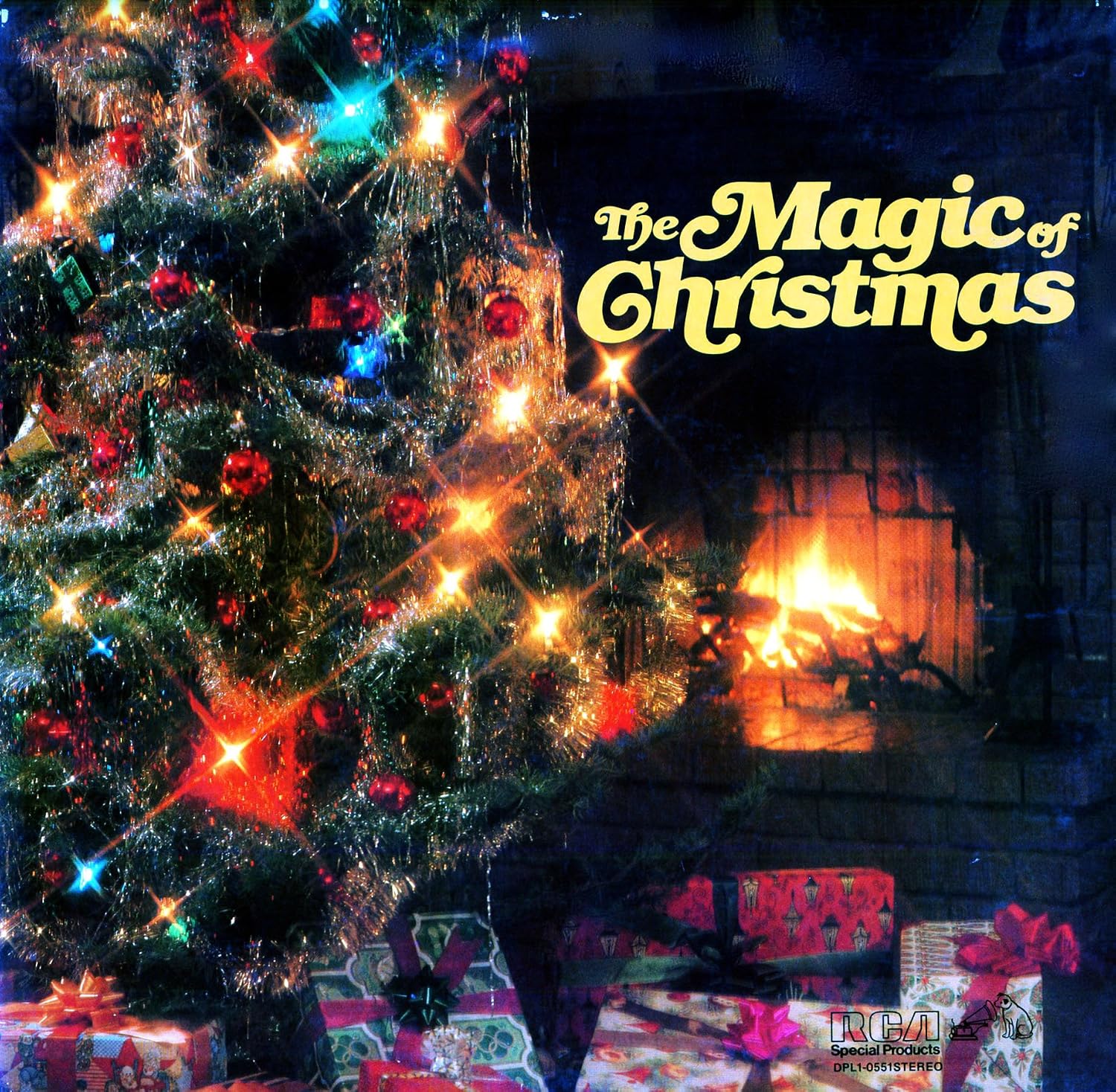
The arrival of December ushers in a familiar yet magical transformation. Homes are adorned with twinkling lights, the air is filled with the aroma of cinnamon and pine, and a certain kind of music begins to permeate every corner of society. This is the season of Christmas music, a genre that holds a unique power to evoke nostalgia, joy, and a sense of shared celebration.
While the specific songs topping the charts may shift from year to year, the enduring appeal of Christmas music remains constant. This article will delve into the history of some of the most beloved Christmas hits, explore the factors that contribute to their popularity, and examine the deeper cultural and emotional significance of this genre.
A Tapestry of Traditions: Exploring the Roots of Christmas Music
The origins of Christmas music can be traced back centuries, with carols evolving from traditional folk songs and religious hymns. Early examples include "The Holly and the Ivy," a 15th-century carol with roots in pagan winter solstice celebrations, and "Silent Night," a German hymn composed in 1818. These early carols, often sung in a cappella style, served as a way to express religious devotion and celebrate the birth of Christ.
As the 20th century progressed, Christmas music began to diversify. The advent of radio and the recording industry fueled the creation of secular Christmas songs, often featuring themes of family, love, and the joy of the season. "White Christmas," written by Irving Berlin in 1942, became an instant classic, a testament to the power of simple, heartfelt lyrics and a catchy melody.
The Evolution of Christmas Hits: From Traditional Carols to Modern Pop
The 1950s and 1960s saw the rise of rock and roll, and Christmas music began to reflect this shift in popular taste. Artists like Elvis Presley and Bing Crosby released their own interpretations of traditional carols, bringing a new energy and stylistic flair to the genre.
The 1980s and 1990s witnessed the emergence of contemporary Christmas hits that blended elements of pop, rock, and R&B. "Last Christmas" by Wham!, "All I Want for Christmas Is You" by Mariah Carey, and "Merry Christmas Everyone" by Shakin’ Stevens all achieved immense popularity, becoming staples of the holiday season.
The 21st century has seen the rise of streaming services and digital downloads, further expanding the reach of Christmas music. Artists like Michael Bublé, Pentatonix, and Kelly Clarkson have released successful Christmas albums, showcasing the enduring appeal of the genre across generations.
The Power of Nostalgia: Why Christmas Music Resonates So Deeply
The enduring popularity of Christmas music can be attributed to several factors. One key element is the power of nostalgia. For many, Christmas music evokes cherished memories of childhood holidays, family gatherings, and the warmth of the season. The familiar melodies and lyrics trigger a flood of emotions, creating a sense of comfort and belonging.
The Role of Shared Experience: A Soundtrack for Collective Celebration
Christmas music also plays a significant role in fostering a sense of shared experience. The songs become a soundtrack for the season, uniting individuals and communities in a collective celebration. Whether it’s singing carols at a church service or playing festive tunes at a holiday party, Christmas music creates a sense of togetherness and shared joy.
The Influence of Cultural Traditions: From Carols to Jingles
Christmas music is deeply intertwined with cultural traditions. The songs often reflect the values and beliefs of different societies, reflecting themes of generosity, peace, and goodwill. The inclusion of traditional carols in religious services reinforces the spiritual significance of the holiday, while the use of festive jingles in commercials and advertisements highlights the commercial aspects of the season.
The Importance of Emotional Connection: Evoking Joy, Hope, and Reflection
At its core, Christmas music is about evoking emotions. The songs are designed to elicit feelings of joy, hope, and reflection. The upbeat melodies and joyful lyrics can uplift spirits, while the more somber tunes invite contemplation and a sense of peace. Christmas music provides a soundtrack for the full spectrum of emotions associated with the holiday season.
FAQs about Christmas Music Top Hits:
1. What are the most popular Christmas songs of all time?
Determining the absolute "most popular" is challenging as tastes vary, but some perennial favorites include "White Christmas," "Jingle Bells," "Silent Night," "All I Want for Christmas Is You," and "Last Christmas."
2. How does Christmas music evolve over time?
Christmas music evolves by incorporating influences from contemporary musical trends, reflecting changes in societal values and tastes. New artists reinterpret classic carols, and original Christmas songs are created in various genres, from pop and rock to country and hip hop.
3. Does Christmas music have a cultural impact?
Absolutely. Christmas music contributes to the cultural identity of the holiday season, shaping traditions, influencing consumer behavior, and fostering a sense of shared experience.
4. What makes Christmas music so enduring?
Its enduring appeal stems from a combination of factors: nostalgia, shared experience, cultural traditions, and its ability to evoke a wide range of emotions.
Tips for Enjoying Christmas Music:
- Explore different genres and eras: Venture beyond traditional carols to discover contemporary Christmas music in various styles.
- Create a playlist for different moods: Curate playlists for festive celebrations, relaxing evenings, or moments of reflection.
- Share your favorite Christmas music with others: Introduce friends and family to your beloved Christmas tunes, creating new memories and traditions.
- Support independent artists: Discover emerging musicians who are creating fresh and original Christmas music.
Conclusion:
Christmas music is more than just a collection of songs. It is a powerful cultural force that shapes our understanding of the holiday season, evoking cherished memories, fostering shared experiences, and reminding us of the enduring values of generosity, peace, and goodwill. As the festive season approaches, the melodies of Christmas music will continue to fill our homes, our hearts, and our communities, reminding us of the magic and meaning of this special time of year.





Closure
Thus, we hope this article has provided valuable insights into The Enduring Magic of Christmas Music: A Journey Through Top Hits and Their Significance. We hope you find this article informative and beneficial. See you in our next article!