The Enduring Significance of Christmas: A Journey Through Origins and Meaning
Related Articles: The Enduring Significance of Christmas: A Journey Through Origins and Meaning
Introduction
In this auspicious occasion, we are delighted to delve into the intriguing topic related to The Enduring Significance of Christmas: A Journey Through Origins and Meaning. Let’s weave interesting information and offer fresh perspectives to the readers.
Table of Content
The Enduring Significance of Christmas: A Journey Through Origins and Meaning
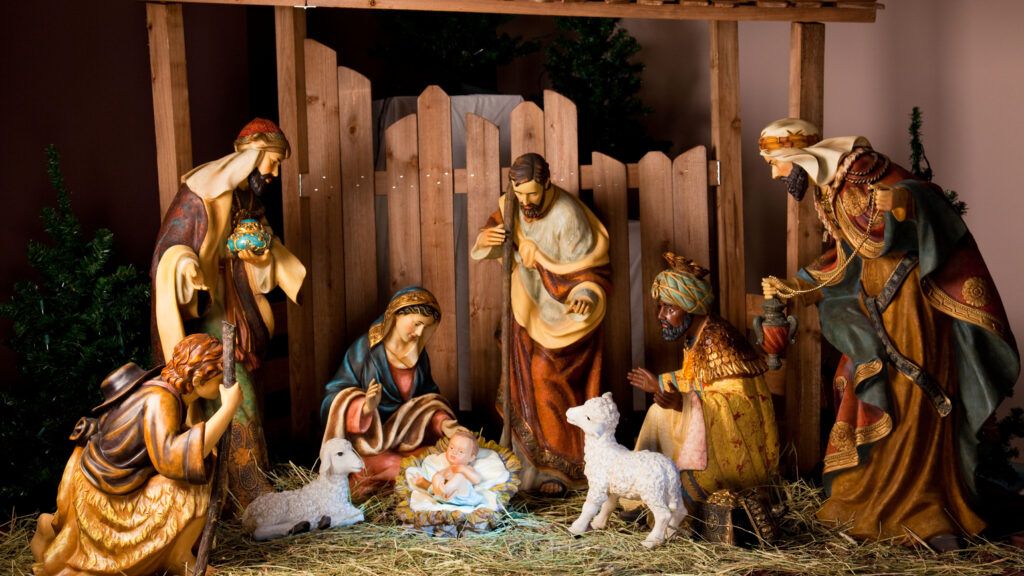
Christmas, celebrated annually on December 25th, is a holiday steeped in rich history and profound meaning. Its origins trace back to ancient pagan traditions and the birth of Christianity, while its modern manifestations reflect a diverse tapestry of cultural and religious influences. Understanding the evolution of Christmas, from its humble beginnings to its global reach, provides valuable insights into its enduring significance in the contemporary world.
Ancient Roots and Pagan Influences:
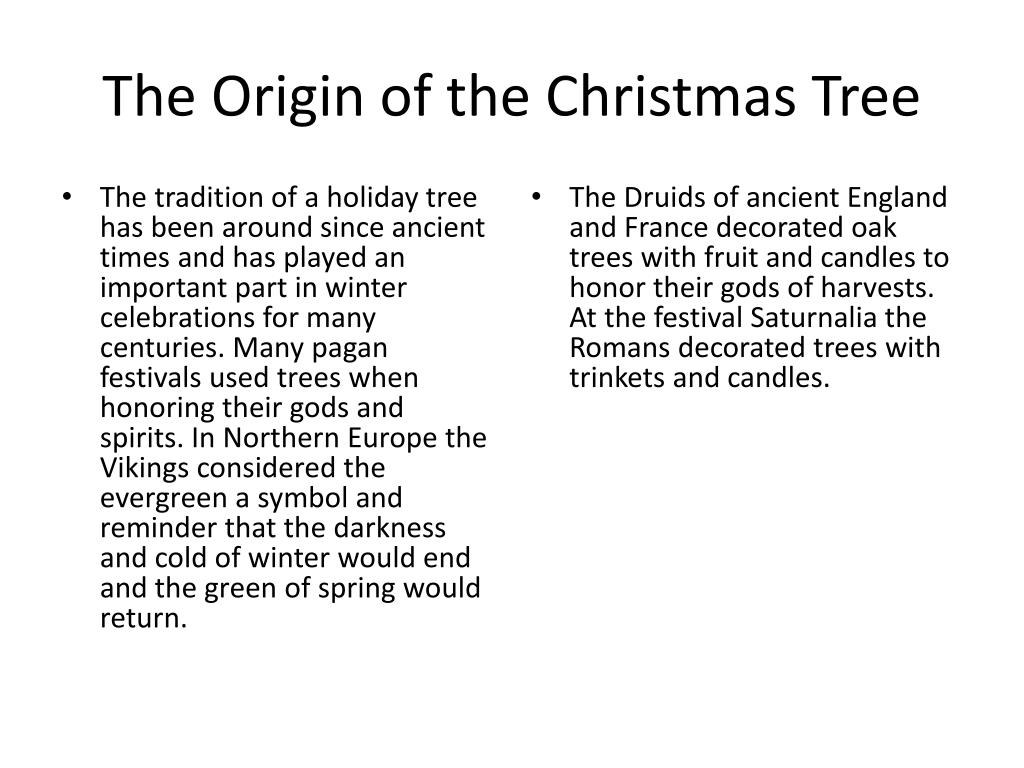
The origins of Christmas can be traced back to ancient Roman festivities celebrating the winter solstice, a time when the sun begins its return after the shortest day of the year. These celebrations, known as Saturnalia, were characterized by feasting, gift-giving, and revelry. The Romans also celebrated the birth of the sun god, Sol Invictus, on December 25th.
The Roman Empire’s influence extended throughout Europe, and these pagan traditions were deeply ingrained in the cultural landscape. When Christianity spread throughout the region, it encountered these existing customs, leading to a complex interplay between ancient beliefs and emerging Christian doctrines.
The Birth of Christ and the Establishment of December 25th:
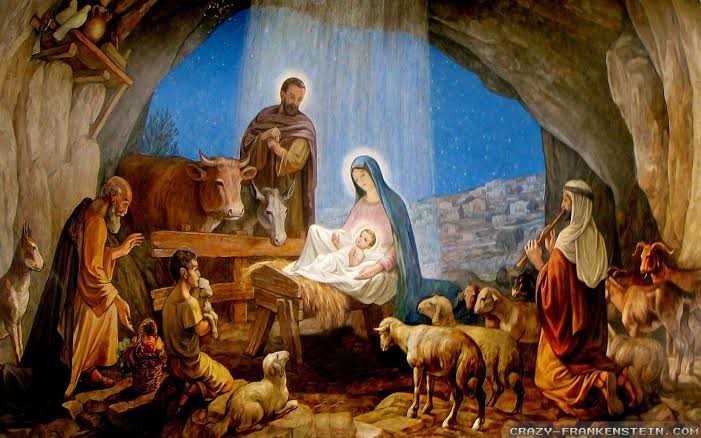
The foundation of Christmas lies in the Christian belief that Jesus Christ, the son of God, was born on December 25th. The exact date of Christ’s birth is not recorded in the Bible, but early Christians believed it to be on this date. The choice of December 25th likely stemmed from a strategic attempt to Christianize existing pagan celebrations and establish a new, more meaningful holiday.
The early Church Fathers, such as Clement of Alexandria and Hippolytus of Rome, wrote about the celebration of Christ’s birth on December 25th. However, it was not until the 4th century CE, under the reign of Emperor Constantine, that Christmas became widely recognized as a major Christian holiday.
The Medieval Period: Christmas as a Time of Feasting and Festivity:
During the Middle Ages, Christmas evolved into a grand celebration characterized by feasting, gift-giving, and religious observances. The Church played a central role in shaping the holiday, encouraging elaborate church services, processions, and theatrical performances centered around the Nativity story.
The period also witnessed the emergence of Christmas carols, hymns that celebrated the birth of Christ and the joy of the season. These carols, often sung in the vernacular language, helped to make the holiday more accessible to the common people.
The Reformation and the Rise of Protestantism:
The Protestant Reformation of the 16th century brought about significant changes in the celebration of Christmas. Reformers, such as Martin Luther, emphasized the importance of the spiritual aspects of the holiday, while downplaying the elaborate rituals and feasting associated with the Catholic tradition.
Despite their differing perspectives, both Catholics and Protestants continued to celebrate Christmas as a significant religious holiday. The holiday’s emphasis on family, charity, and reflection on the birth of Christ remained a central theme.
The 19th Century: The Rise of Modern Christmas Traditions:
The 19th century witnessed a significant shift in the cultural landscape of Christmas. The Industrial Revolution led to urbanization and the growth of a middle class, which in turn spurred the development of new traditions and commercialization of the holiday.
The Victorian era, with its emphasis on sentimentality and domesticity, saw the emergence of iconic Christmas symbols such as the Christmas tree, Santa Claus, and Christmas cards. These symbols, often rooted in folklore and popular literature, helped to create a more secular and festive atmosphere around the holiday.
The 20th Century: Globalization and the Transformation of Christmas:
The 20th century saw the globalization of Christmas, with the holiday spreading across the world and becoming increasingly secularized. The rise of consumerism and mass media further contributed to the commercialization of Christmas, transforming it into a season of shopping, gift-giving, and festive decorations.
Despite the commercialization, Christmas continues to hold significant meaning for many people around the world. It remains a time for family gatherings, gift-giving, and reflection on the values of love, peace, and goodwill.
Christmas Today: A Celebration of Diversity and Meaning:
Today, Christmas is celebrated in diverse ways across the globe. While its religious origins remain central for many, the holiday has also evolved into a secular celebration of family, friends, and the spirit of generosity.
The holiday’s enduring appeal lies in its ability to bring people together, regardless of their religious beliefs or cultural backgrounds. It is a time for sharing meals, exchanging gifts, and creating lasting memories.
The Importance of Understanding Christmas:
Understanding the origins and evolution of Christmas is essential for appreciating its enduring significance in the contemporary world. By tracing the holiday’s roots back to ancient pagan traditions and the birth of Christianity, we gain insights into the complex interplay of culture, religion, and social change that has shaped its meaning over centuries.
Moreover, understanding the diverse ways in which Christmas is celebrated around the globe highlights its adaptability and its ability to resonate with people from different backgrounds. It is a testament to the human need for connection, celebration, and reflection, values that transcend cultural and religious boundaries.
FAQs about Christmas Meaning and Origin:
Q: What is the true meaning of Christmas?
A: The true meaning of Christmas is a matter of personal interpretation, but it is generally understood to be a celebration of the birth of Jesus Christ for Christians, and a time for family, friends, and generosity for many others.
Q: When did Christmas become a holiday?
A: Christmas was officially recognized as a holiday in the 4th century CE under Emperor Constantine. However, its origins can be traced back to ancient pagan celebrations of the winter solstice.
Q: Why is Christmas celebrated on December 25th?
A: The exact date of Jesus Christ’s birth is not recorded in the Bible. Early Christians chose December 25th to coincide with existing pagan celebrations of the birth of the sun god, Sol Invictus.
Q: How has Christmas evolved over time?
A: Christmas has evolved from a primarily religious holiday to a more secular celebration of family, friends, and generosity. Its traditions have been shaped by cultural influences, religious practices, and commercialization.
Q: What are some of the most common Christmas traditions?
A: Some of the most common Christmas traditions include decorating Christmas trees, exchanging gifts, singing Christmas carols, attending church services, and enjoying festive meals with family and friends.
Tips for Celebrating Christmas:
- Focus on the true meaning of the holiday: Whether you celebrate Christmas for its religious significance or for its secular aspects, take time to reflect on the values of love, peace, and goodwill.
- Spend time with loved ones: Christmas is a time for family and friends to come together and share in the joy of the season.
- Practice generosity and kindness: Show your appreciation for those around you by giving gifts, volunteering your time, or simply offering a helping hand.
- Create new traditions: Don’t be afraid to add your own personal touches to the holiday, whether it’s starting a new family tradition or trying a new recipe.
- Enjoy the festive atmosphere: Embrace the joy and excitement of the season by decorating your home, listening to Christmas music, and attending festive events.
Conclusion:
Christmas, a holiday celebrated around the world, holds a profound and enduring significance. Its origins, rooted in ancient pagan traditions and the birth of Christianity, reveal a fascinating tapestry of cultural and religious influences. Its evolution reflects the changing tides of history, from the grandeur of medieval celebrations to the modern commercialization of the holiday.
Despite the diverse interpretations and celebrations, Christmas remains a time for reflection, connection, and generosity. It is a reminder of the human need for love, peace, and goodwill, values that transcend cultural and religious boundaries. By understanding the origins and meaning of Christmas, we can appreciate its enduring power to bring people together and inspire joy and hope throughout the world.


Closure
Thus, we hope this article has provided valuable insights into The Enduring Significance of Christmas: A Journey Through Origins and Meaning. We thank you for taking the time to read this article. See you in our next article!