The Etymology of Christmas: Unveiling the Origins of a Global Celebration
Related Articles: The Etymology of Christmas: Unveiling the Origins of a Global Celebration
Introduction
With enthusiasm, let’s navigate through the intriguing topic related to The Etymology of Christmas: Unveiling the Origins of a Global Celebration. Let’s weave interesting information and offer fresh perspectives to the readers.
Table of Content
The Etymology of Christmas: Unveiling the Origins of a Global Celebration
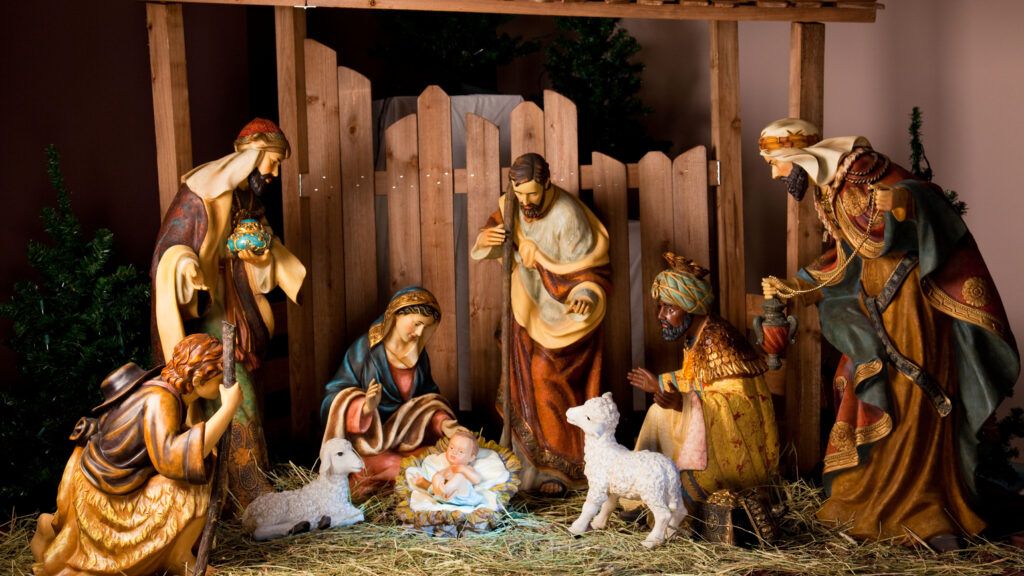
Christmas, a holiday celebrated worldwide, holds a profound significance for millions. Beyond the festive cheer, the twinkling lights, and the exchange of gifts, lies a rich history and a compelling etymology that sheds light on the origins of this cherished tradition. Delving into the linguistic roots of "Christmas" reveals a fascinating journey through time, culture, and belief.
The word "Christmas" itself is a relatively recent development, emerging in the English language in the 11th century. It is a direct translation of the Old English phrase "Cristes mæsse," meaning "Christ’s mass." This clearly points to the holiday’s core religious foundation: the commemoration of the birth of Jesus Christ.
The term "mass" itself is derived from the Latin "missa," which refers to the Christian liturgical service. This service, often referred to as the Eucharist, is a central practice in many Christian denominations, signifying the re-enactment of the Last Supper and the offering of bread and wine as symbols of Christ’s sacrifice.
Thus, the term "Christmas" encapsulates the essence of the holiday: a celebration of the birth of Christ, marked by a special mass or liturgical service. This understanding provides a crucial context for understanding the historical development and cultural significance of Christmas.
However, the story of Christmas goes beyond the simple etymology of its name. To truly appreciate the holiday’s meaning, it is essential to explore the historical, cultural, and religious influences that shaped its evolution.
Early Origins: A Tapestry of Influences
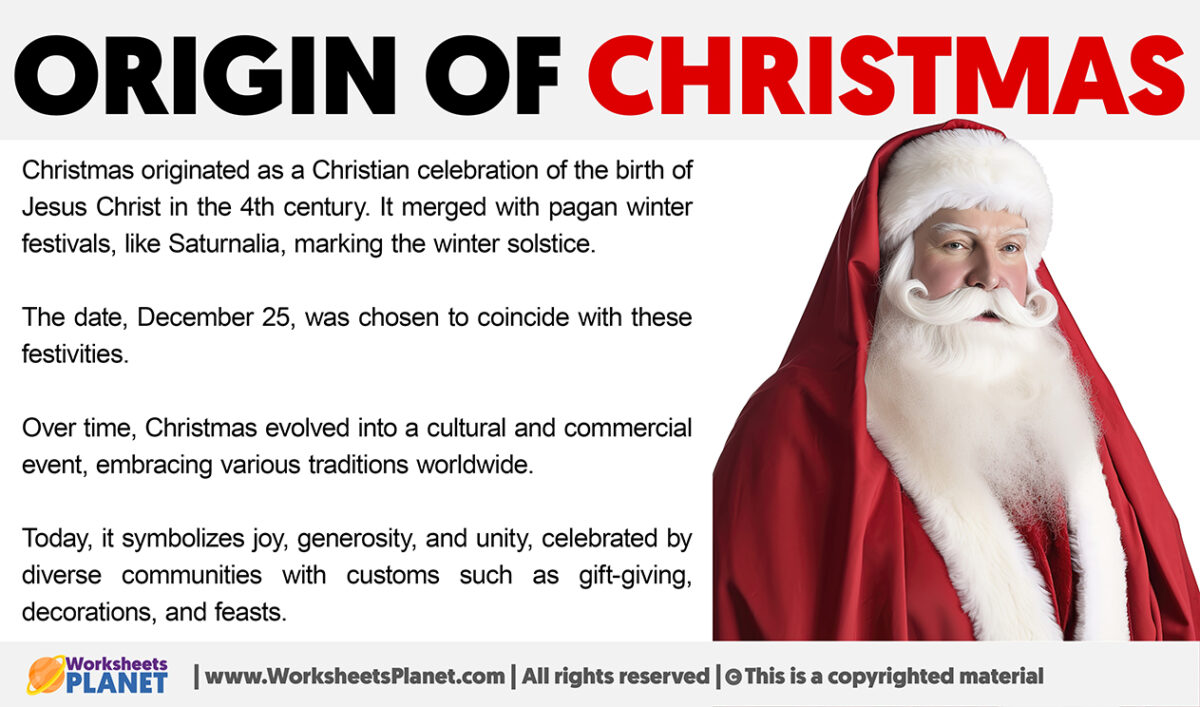
While the origins of Christmas are undeniably rooted in Christianity, its development was influenced by a complex interplay of historical and cultural factors. The exact date of Jesus’ birth is not definitively known, and the celebration of Christmas on December 25th emerged gradually over centuries.
One significant influence was the Roman festival of Saturnalia, celebrated from December 17th to December 23rd. This pagan festival honored Saturn, the Roman god of agriculture, and involved feasting, gift-giving, and the temporary suspension of social hierarchies.
Another influential factor was the Roman winter solstice, celebrated on December 21st. This day marked the shortest day of the year and the symbolic rebirth of the sun. In many cultures, the winter solstice was associated with fertility, renewal, and the triumph of light over darkness.
It is believed that early Christians, seeking to integrate their beliefs into existing cultural practices, adopted the December 25th date for Christmas, aligning it with these pre-existing celebrations. By associating the birth of Christ with the winter solstice and Saturnalia, they aimed to attract a wider audience and establish Christianity as a dominant force within the Roman Empire.
The Evolution of Christmas: From Religious Observance to Global Celebration
Over the centuries, Christmas evolved from a primarily religious observance to a widely celebrated cultural event. The holiday’s symbolism and traditions were shaped by diverse cultural influences, reflecting the global spread of Christianity.
In the Middle Ages, Christmas celebrations became more elaborate, incorporating elements of medieval pageantry, carols, and festive feasts. The tradition of decorating Christmas trees, believed to have originated in Germany, became increasingly popular throughout Europe.
The Reformation in the 16th century led to variations in the way Christmas was celebrated by different Christian denominations. While some Protestants emphasized the religious significance of the holiday, others downplayed its festive aspects.
The 19th century witnessed a significant shift in the perception of Christmas, with the holiday gaining a more secular and commercial character. This transformation was fueled by the rise of consumerism, industrialization, and the growing popularity of Christmas traditions such as gift-giving, Santa Claus, and Christmas cards.
The Meaning of Christmas: A Tapestry of Perspectives
Today, Christmas is celebrated worldwide, embracing a diverse range of cultural and religious interpretations. For many, Christmas remains a deeply religious holiday, commemorating the birth of Jesus Christ and celebrating the message of hope, peace, and love embodied in his life.
For others, Christmas has become a secular holiday, focusing on family, friends, and the joy of giving. The traditions associated with Christmas, such as decorating trees, exchanging gifts, and sharing festive meals, have become universal symbols of celebration and goodwill.
Despite the diverse perspectives, Christmas remains a powerful symbol of unity and shared humanity. It offers a time for reflection, reconciliation, and celebrating the bonds that connect us.
FAQs on the Etymology of Christmas
1. Is the date of Christmas based on the actual date of Jesus’ birth?
The exact date of Jesus’ birth is unknown. The date of December 25th was chosen by early Christians, likely influenced by existing Roman festivals and the winter solstice.
2. Why is Christmas celebrated on December 25th?
The choice of December 25th for Christmas was likely influenced by the Roman festival of Saturnalia and the winter solstice. Early Christians adopted this date to integrate their beliefs into existing cultural practices.
3. How has the meaning of Christmas evolved over time?
Christmas has evolved from a primarily religious observance to a widely celebrated cultural event, influenced by historical, cultural, and religious factors. It has become a time for family, friends, gift-giving, and the celebration of goodwill.
4. What are the different perspectives on the meaning of Christmas?
Christmas holds different meanings for different people. For some, it is a deeply religious holiday, while for others, it is a secular celebration of family, friends, and the joy of giving.
5. What is the significance of the term "Christmas"?
The word "Christmas" is a direct translation of the Old English phrase "Cristes mæsse," meaning "Christ’s mass." This highlights the holiday’s core religious foundation: the commemoration of the birth of Jesus Christ.
Tips for Understanding the Meaning of Christmas
- Explore the historical context: Understanding the historical influences that shaped Christmas provides valuable insight into its evolution and significance.
- Consider the cultural influences: Christmas has been shaped by diverse cultural traditions, each adding its own unique perspective to the holiday.
- Reflect on the religious significance: For many, Christmas holds deep religious meaning, celebrating the birth of Jesus Christ and the message of hope and love.
- Appreciate the secular aspects: Christmas has become a secular celebration of family, friends, and the joy of giving, offering a time for unity and goodwill.
- Engage in meaningful traditions: Participating in Christmas traditions, whether religious or secular, can foster a sense of connection and shared experience.
Conclusion
The etymology of Christmas reveals a fascinating journey through time, culture, and belief. From its origins in the celebration of Christ’s birth to its evolution into a global cultural phenomenon, Christmas has become a powerful symbol of unity, hope, and shared humanity. Understanding the historical, cultural, and religious influences that shaped this holiday allows us to appreciate its multifaceted meaning and its enduring appeal. Whether celebrated for its religious significance, its secular traditions, or its simple joy, Christmas continues to hold a special place in the hearts of millions worldwide.




![History of Christmas Traditions [Infographic]](http://infographicjournal.com/wp-content/uploads/2012/11/chirstmas-traditions-history.jpg)


Closure
Thus, we hope this article has provided valuable insights into The Etymology of Christmas: Unveiling the Origins of a Global Celebration. We hope you find this article informative and beneficial. See you in our next article!