The Festive Citrus: Exploring the Tradition of Christmas Oranges
Related Articles: The Festive Citrus: Exploring the Tradition of Christmas Oranges
Introduction
With enthusiasm, let’s navigate through the intriguing topic related to The Festive Citrus: Exploring the Tradition of Christmas Oranges. Let’s weave interesting information and offer fresh perspectives to the readers.
Table of Content
The Festive Citrus: Exploring the Tradition of Christmas Oranges

The association of oranges with Christmas is deeply ingrained in cultural traditions across the globe. This seemingly simple fruit carries a rich history and symbolism, evolving over centuries to become an integral part of festive celebrations. While the practice of gifting oranges during Christmas has largely faded in modern times, understanding its origins and cultural significance offers a glimpse into the historical and social fabric of various societies.
Origins and Symbolism:
The practice of associating oranges with Christmas likely originated in the Mediterranean region, where citrus fruits thrived. Oranges, with their vibrant color and refreshing aroma, were considered a luxury item, often reserved for special occasions. In ancient Rome, oranges were associated with fertility and good fortune, making them suitable for celebrations like the Saturnalia festival, which coincided with the winter solstice.
During the Middle Ages, oranges were introduced to Europe by Arab traders, further solidifying their association with wealth and prosperity. As Christmas celebrations gained prominence, the symbolic meaning of oranges expanded. Their round shape was seen as representing the celestial bodies, particularly the sun, symbolizing hope and renewal in the midst of winter. The bright orange color was also linked to the star of Bethlehem, guiding the wise men to the birthplace of Jesus.
The Advent of Christmas Oranges:
The tradition of gifting oranges during Christmas gained momentum in the 18th and 19th centuries, particularly in Europe and North America. This practice was fueled by several factors:
- Increased availability: Improvements in trade routes and agricultural practices made oranges more readily available and affordable.
- Symbolism of abundance: Oranges became a symbol of abundance and prosperity, representing the generosity of the Christmas season.
- Health benefits: Citrus fruits were recognized for their vitamin C content, offering a boost to immunity during the winter months.
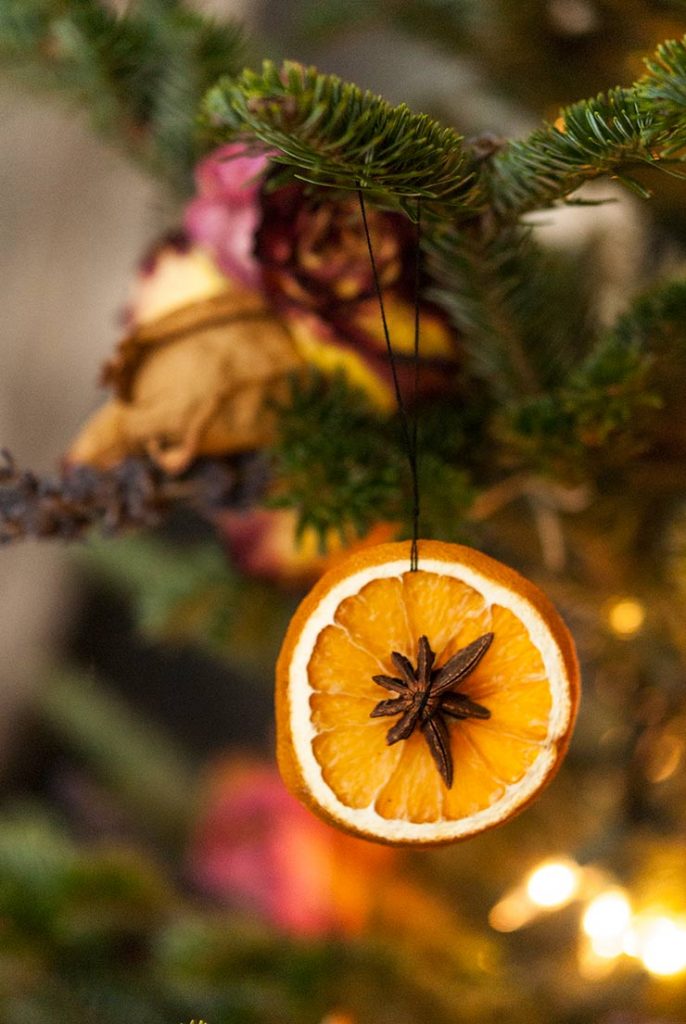
In many countries, oranges were incorporated into Christmas decorations and traditions. They were used to adorn Christmas trees, placed in stockings, and even included in festive meals. In some regions, oranges were specifically chosen for their ability to last throughout the holiday season, serving as a reminder of the festive spirit even after the Christmas festivities had ended.
Cultural Variations and Significance:
The tradition of Christmas oranges manifested in various forms across different cultures:
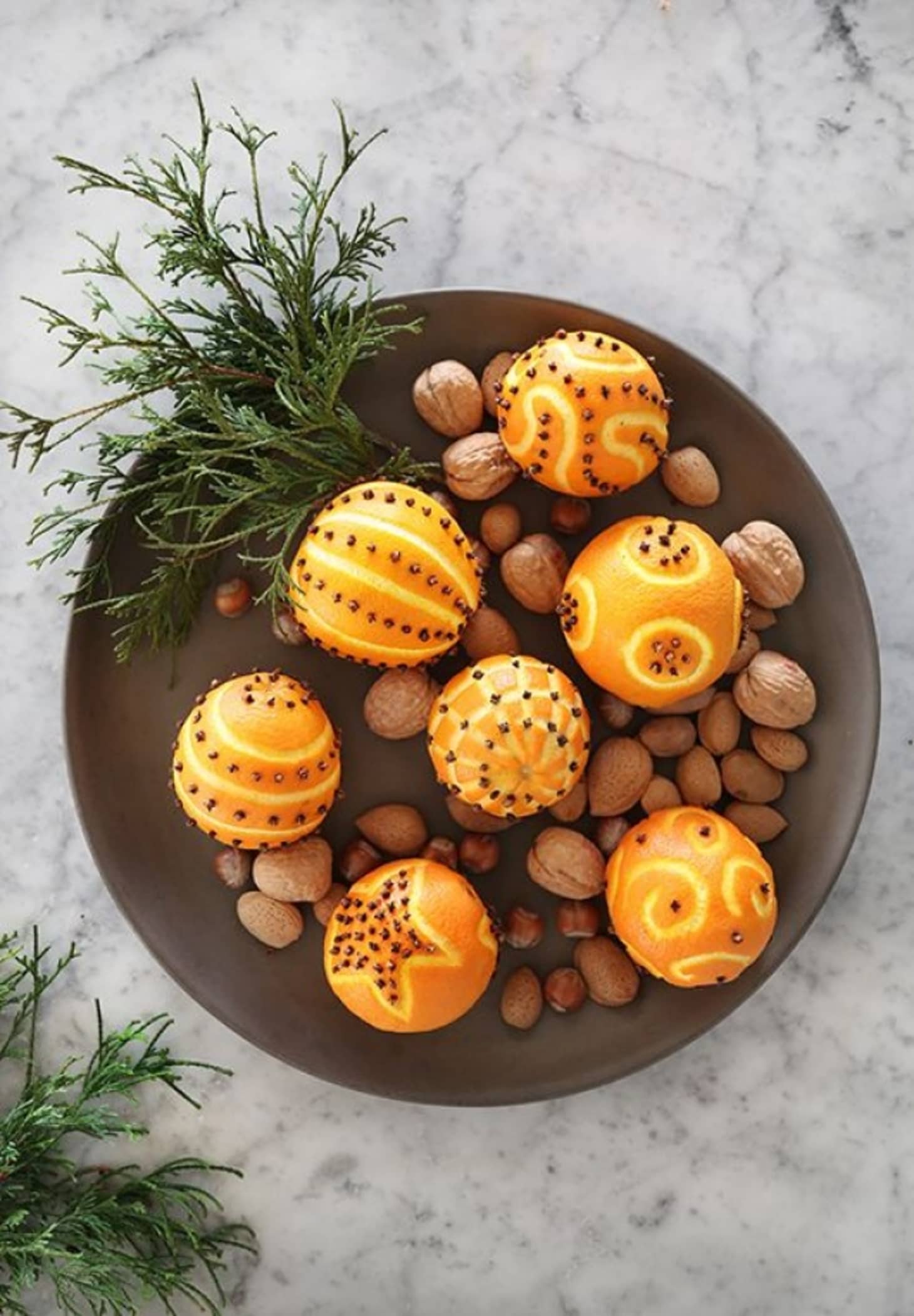
- Germany: Oranges were often filled with cloves, creating a fragrant "pomander" that served as a decorative ornament and air freshener.
- Italy: Oranges were included in traditional Christmas desserts, such as "panettone" and "pandoro," adding a touch of citrus flavor and festive spirit.
- Spain: Oranges were a common element in Christmas decorations, often used to create festive wreaths and centerpieces.
- England: The practice of gifting oranges during Christmas was particularly popular in Victorian England, where they were often accompanied by other treats and small gifts.
Beyond the practical benefits and decorative appeal, Christmas oranges held significant cultural meaning:
- Symbol of hope and renewal: The bright color and refreshing aroma of oranges symbolized hope and renewal, offering a sense of optimism amidst the bleakness of winter.
- Expression of love and generosity: Gifting oranges was a way to express love, generosity, and good wishes during the Christmas season.
- Connection to childhood memories: For many, the tradition of Christmas oranges evokes fond memories of childhood and the magic of the holiday season.
Modern Relevance and Legacy:
While the practice of gifting oranges during Christmas has largely declined in modern times, the symbolism and traditions associated with this fruit remain relevant. Oranges continue to be incorporated into Christmas decorations, desserts, and beverages, adding a touch of festive spirit to the holiday season.
The enduring legacy of Christmas oranges lies in its ability to evoke nostalgia and connect generations through shared cultural experiences. It serves as a reminder of the historical and social context surrounding Christmas celebrations, highlighting the importance of tradition, symbolism, and the spirit of generosity during the holiday season.
FAQs:
Q: Why are oranges associated with Christmas?
A: The association of oranges with Christmas stems from their origins in the Mediterranean region, where they were considered a luxury item and symbol of prosperity. Their round shape, vibrant color, and refreshing aroma made them suitable for festive celebrations, representing hope, renewal, and abundance.
Q: What is the historical significance of Christmas oranges?
A: Historically, oranges were a symbol of wealth, fertility, and good fortune. Their association with Christmas grew as they became more readily available and affordable, representing the generosity and abundance of the holiday season.
Q: What are some cultural variations in the use of Christmas oranges?
A: Different cultures have incorporated oranges into their Christmas traditions in unique ways. For example, in Germany, they are used to create fragrant pomanders, while in Italy, they are included in festive desserts.
Q: What is the modern relevance of Christmas oranges?
A: Although the practice of gifting oranges during Christmas has declined, they remain a symbol of the holiday season, often used in decorations, desserts, and beverages. They also evoke nostalgia and connect generations through shared cultural experiences.
Tips:
- Decorate with oranges: Use oranges to create festive wreaths, centerpieces, and other Christmas decorations.
- Bake with oranges: Incorporate oranges into Christmas desserts, such as cakes, cookies, and puddings, for a refreshing citrus flavor.
- Make orange-infused drinks: Create festive beverages like orange juice, orange punch, or mulled wine with oranges.
- Share the tradition: Share the story of Christmas oranges with family and friends, keeping the tradition alive.
Conclusion:
The association of oranges with Christmas is a testament to the enduring power of tradition, symbolism, and cultural exchange. From their origins in the Mediterranean region to their global adoption as a festive fruit, oranges have played a significant role in shaping Christmas celebrations across the world. While the practice of gifting oranges may have faded, their symbolic meaning and cultural significance remain relevant, reminding us of the importance of generosity, hope, and the spirit of the holiday season.





Closure
Thus, we hope this article has provided valuable insights into The Festive Citrus: Exploring the Tradition of Christmas Oranges. We thank you for taking the time to read this article. See you in our next article!