The Intricate World of Reindeer Antlers: A Comprehensive Look at their Biology, Culture, and Significance
Related Articles: The Intricate World of Reindeer Antlers: A Comprehensive Look at their Biology, Culture, and Significance
Introduction
With enthusiasm, let’s navigate through the intriguing topic related to The Intricate World of Reindeer Antlers: A Comprehensive Look at their Biology, Culture, and Significance. Let’s weave interesting information and offer fresh perspectives to the readers.
Table of Content
The Intricate World of Reindeer Antlers: A Comprehensive Look at their Biology, Culture, and Significance
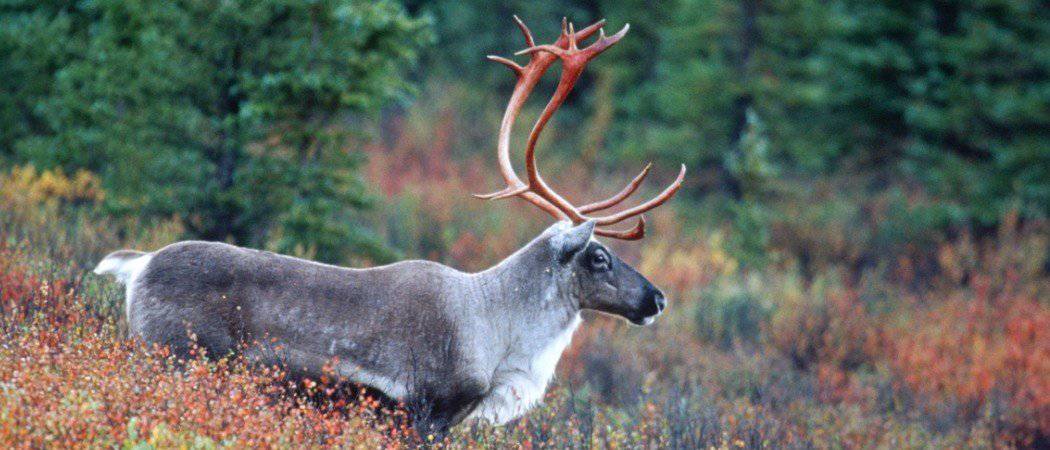
The image of a reindeer with its majestic, branching antlers is synonymous with Christmas. These iconic structures, often adorned with twinkling lights and festive bows, are more than just decorative elements. They represent a fascinating biological adaptation, a symbol of cultural tradition, and a powerful reminder of the natural world’s enduring beauty.
A Biological Marvel: The Growth and Function of Reindeer Antlers
Reindeer antlers are a testament to the remarkable adaptability of nature. Unlike the horns of other ungulates, which are permanent structures made of keratin, reindeer antlers are made of bone and are shed and regrown annually. This unique feature serves several crucial purposes for reindeer survival in their harsh arctic environment.
Growth Cycle:
The growth cycle of reindeer antlers is intricately linked to the changing seasons and hormonal fluctuations. Antler growth begins in the spring, fueled by an increase in testosterone levels in males and estrogen in females. During this period, blood vessels and nerves proliferate within the antler, supporting rapid bone deposition. The antlers reach their full size and complexity by late summer or early autumn.
Function:
- Social Signaling: Antlers are a primary means of communication among reindeer, particularly males. Larger, more complex antlers indicate dominance and fitness, influencing social hierarchies and mating success.
- Defense: Antlers serve as a formidable weapon during confrontations with rivals or predators. The sharp points and broad surface area can inflict significant damage, deterring attackers.
- Mating Display: The size and shape of antlers play a crucial role in attracting mates. Females are more likely to choose males with larger, more elaborate antlers, signifying good health and genetic quality.
- Thermoregulation: The large surface area of antlers contributes to heat dissipation, particularly during the summer months.
The Antler Cycle: A Tale of Regeneration and Renewal
The shedding of antlers is a crucial aspect of the reindeer’s life cycle, marking the transition from the breeding season to the rutting season.
Shedding:
In late autumn or early winter, after the breeding season, the antler bone begins to weaken. This is triggered by a decline in testosterone levels in males and a shift in hormone balance in females. The antler eventually detaches from the skull, leaving behind a small, bony pedestal.
Regrowth:
The shedding of antlers allows for the growth of a new, often larger and more complex set the following spring. This process is essential for maintaining the antler’s structural integrity and ensuring their continued function in social signaling, defense, and mating.
The Cultural Significance of Reindeer Antlers
Beyond their biological significance, reindeer antlers have held deep cultural and symbolic meaning for indigenous peoples across the Arctic regions for millennia.
- Traditional Tools and Crafts: Antlers have been used to create a wide range of tools and crafts, including arrowheads, spear points, knives, and decorative ornaments. Their durability, strength, and natural beauty made them ideal materials for crafting essential items.
- Spiritual Symbolism: In many indigenous cultures, antlers are associated with power, strength, and fertility. They are often incorporated into ceremonial objects, masks, and clothing, representing the spirits of animals or ancestors.
- Modern Day Significance: Reindeer antlers continue to play a role in contemporary indigenous cultures. They are used in traditional crafts, artwork, and ceremonies, preserving cultural traditions and celebrating the unique connection between humans and the natural world.
The Importance of Conservation
The conservation of reindeer populations and their habitats is crucial to ensuring the continued existence of these magnificent creatures and the cultural traditions they represent.
- Climate Change: Climate change is posing significant threats to reindeer populations, impacting their food sources, migration patterns, and overall health.
- Habitat Loss: Human encroachment and development are fragmenting reindeer habitats, reducing their access to vital resources.
- Overhunting: Unsustainable hunting practices can lead to population declines and threaten the long-term viability of reindeer herds.
FAQs about Reindeer Antlers:
1. Do all reindeer have antlers?
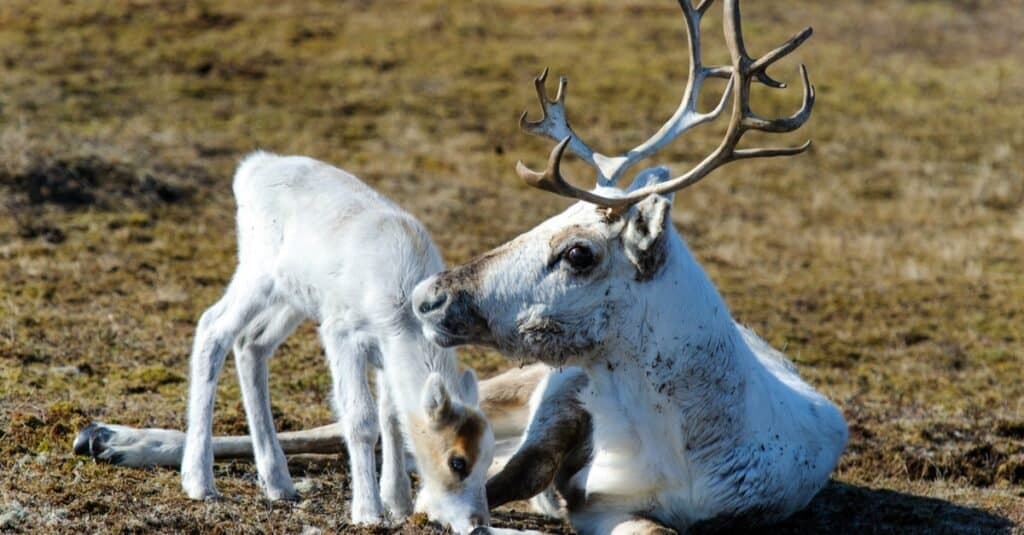
While both male and female reindeer grow antlers, the antlers of males are typically larger and more complex. Female reindeer also shed their antlers annually, but their antlers are smaller and less branched than those of males.
2. What is the purpose of the velvet covering on antlers?
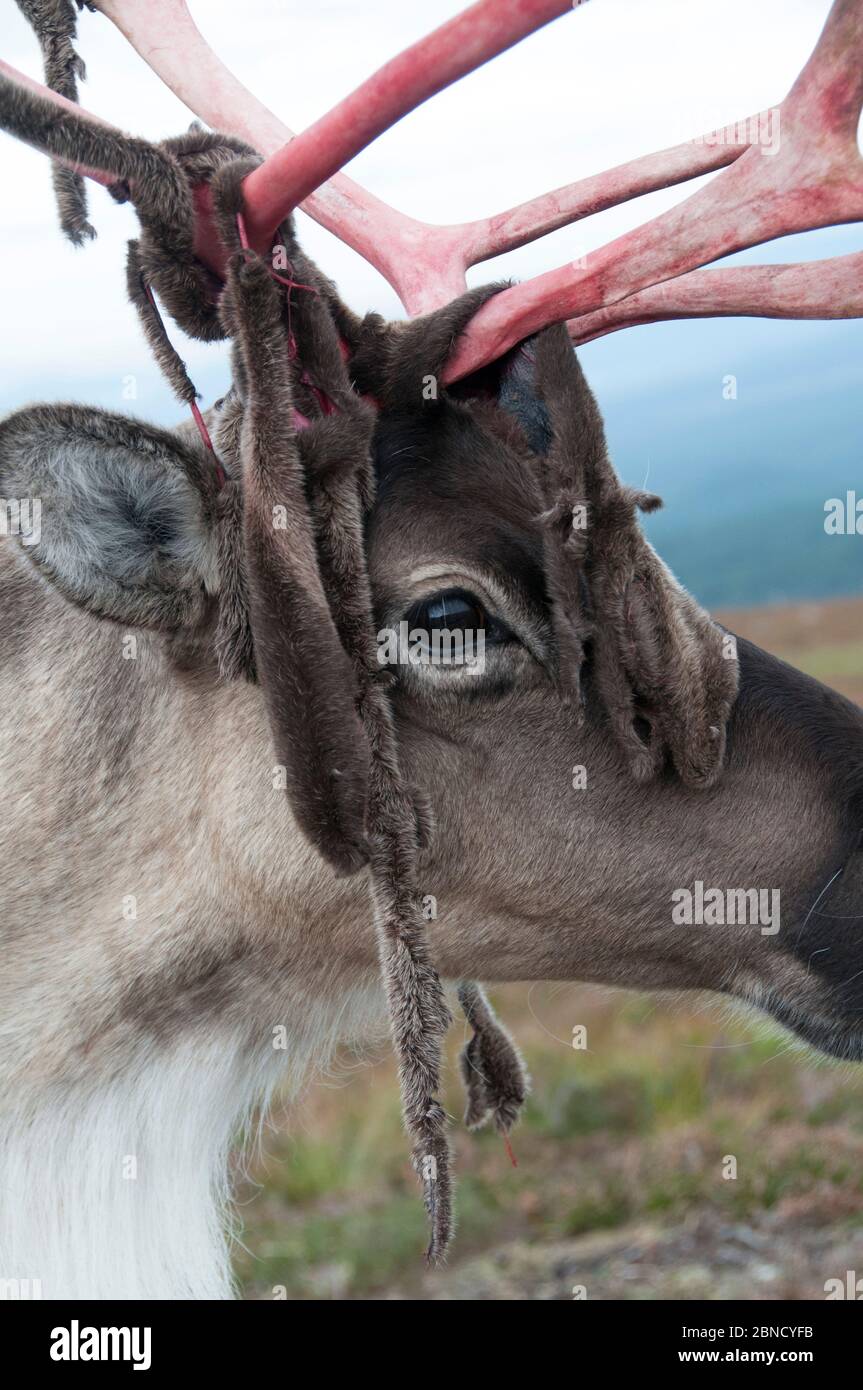
The velvet covering, known as "antler velvet," is a highly vascularized tissue that provides nutrients and oxygen to the growing antler bone. It is shed as the antler hardens and matures.
3. How long do reindeer antlers last?
The lifespan of a reindeer antler is approximately one year. They are shed in the autumn and regrown the following spring.
4. Can reindeer antlers be used for medicinal purposes?
Reindeer antlers have been used in traditional medicine for centuries, but there is no scientific evidence to support their medicinal properties.
5. What is the best way to care for reindeer antlers?
Reindeer antlers are naturally durable, but they can be susceptible to damage from moisture and excessive handling. It is recommended to store them in a dry, cool environment and handle them with care.
Tips for Appreciating Reindeer Antlers:
- Learn about the biology of reindeer antlers: Understanding the growth cycle and function of antlers enhances appreciation for their complexity and adaptability.
- Visit a reindeer farm or wildlife sanctuary: Observing reindeer in their natural habitat provides a deeper understanding of their behavior and the role antlers play in their lives.
- Support organizations dedicated to reindeer conservation: Contribute to efforts to protect reindeer populations and their habitats.
- Explore the cultural significance of reindeer antlers: Research the diverse ways in which antlers have been used in indigenous cultures and traditions.
Conclusion:
Reindeer antlers are a captivating example of nature’s ingenuity and the enduring connection between humans and the natural world. Their biological complexity, cultural significance, and symbolic power make them a fascinating subject of study and appreciation. Understanding the intricate world of reindeer antlers allows us to appreciate the beauty and resilience of these remarkable creatures and the importance of their conservation.

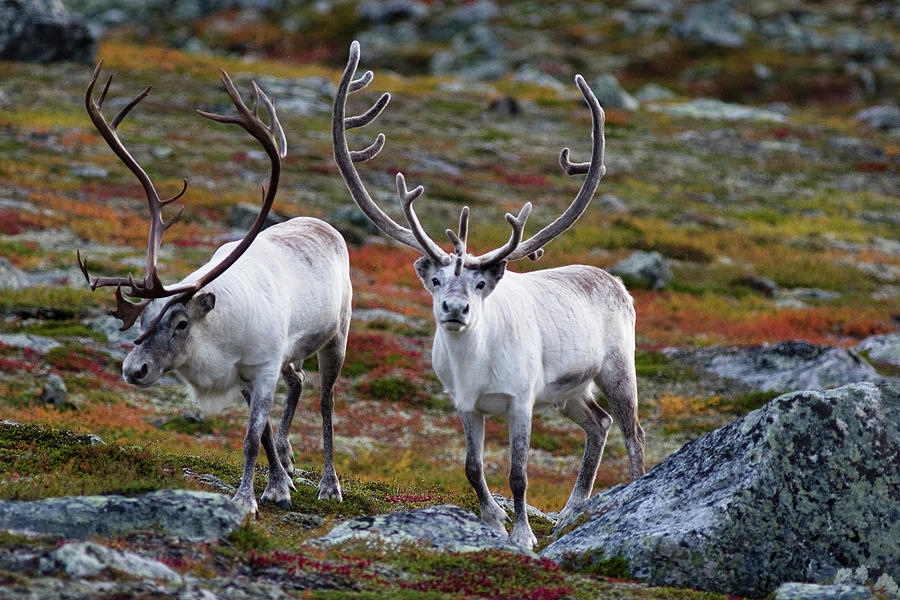
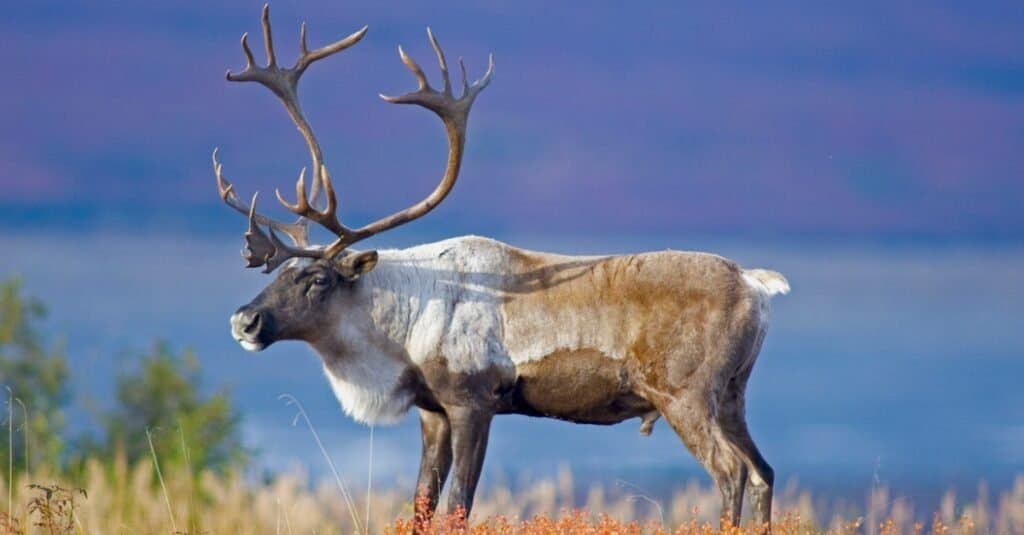
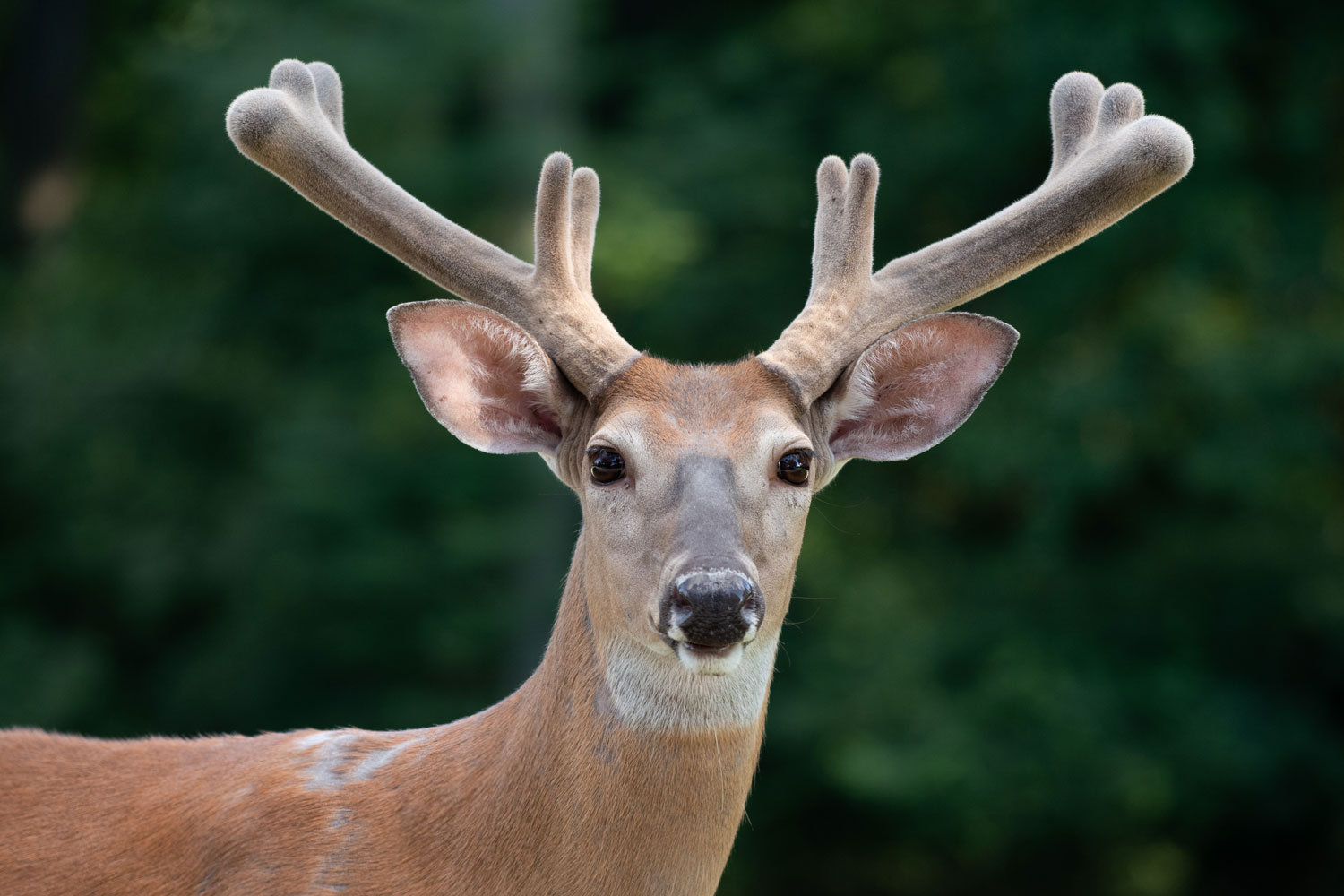
:max_bytes(150000):strip_icc()/__opt__aboutcom__coeus__resources__content_migration__treehugger__images__2016__12__reindeer-antlers-785b45002aad4087bbc875ddc35fa36e.jpg)

Closure
Thus, we hope this article has provided valuable insights into The Intricate World of Reindeer Antlers: A Comprehensive Look at their Biology, Culture, and Significance. We thank you for taking the time to read this article. See you in our next article!