The Profound Significance of Christmas for Christians: A Journey of Faith, Hope, and Love
Related Articles: The Profound Significance of Christmas for Christians: A Journey of Faith, Hope, and Love
Introduction
With great pleasure, we will explore the intriguing topic related to The Profound Significance of Christmas for Christians: A Journey of Faith, Hope, and Love. Let’s weave interesting information and offer fresh perspectives to the readers.
Table of Content
The Profound Significance of Christmas for Christians: A Journey of Faith, Hope, and Love
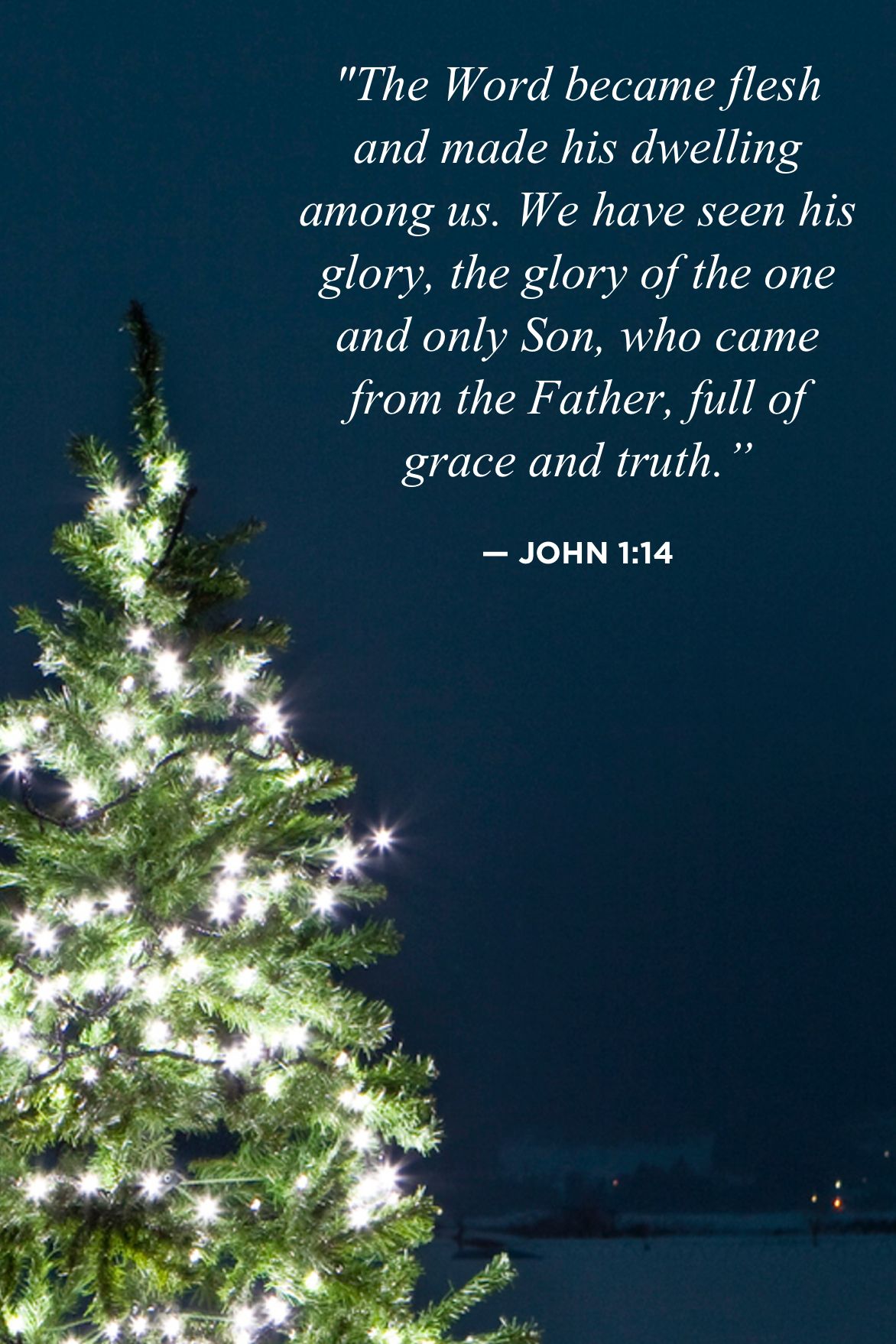
Christmas, the annual celebration of the birth of Jesus Christ, holds profound meaning for Christians worldwide. It is a time of joyful anticipation, spiritual reflection, and heartfelt celebration of the central tenet of Christian faith: the incarnation of God in human form.
The Incarnation: A Cornerstone of Christian Belief
The very essence of Christmas lies in the concept of the Incarnation, a cornerstone of Christian theology. This doctrine asserts that God, the eternal and divine being, took on human flesh and became Jesus Christ. This seemingly paradoxical event, described in the New Testament, is seen as the ultimate expression of God’s love for humanity.
The incarnation signifies a pivotal moment in history, where the divine entered the human realm, bridging the gap between heaven and earth. It offers hope for humanity, demonstrating God’s willingness to dwell among us, to share our joys and sorrows, and to offer salvation.
A Celebration of Hope and Redemption
Christmas is a celebration of hope, a beacon of light in the midst of darkness. The birth of Jesus, prophesied centuries earlier, brought a promise of redemption and a new covenant with humanity. He came to offer forgiveness for sins, reconciliation with God, and the assurance of eternal life.
The celebration of Christmas acknowledges the fragility of the human condition, the inevitability of suffering, and the need for divine intervention. It provides a source of comfort and strength, reminding believers that God is present in their lives, offering solace and guidance.
The Significance of the Nativity Narrative
The Nativity narrative, as described in the Gospels of Matthew and Luke, offers a powerful and evocative account of Jesus’ birth. The humble setting, the miraculous circumstances, and the presence of angels all contribute to the profound symbolism of the event.
The birth in a stable, amidst animals, underscores the humble beginnings of the Savior. The angelic announcement to shepherds, the visit of the wise men, and the adoration of the child by Mary and Joseph all highlight the divine nature of the newborn king.
A Time for Reflection and Renewal
Christmas is not merely a time for festive gatherings and joyous celebrations. It is also a period of reflection and spiritual renewal. Christians are encouraged to contemplate the meaning of the Incarnation, to examine their own lives in light of God’s love, and to reaffirm their commitment to Christ’s teachings.
The season invites introspection, prompting individuals to consider their relationship with God, their actions towards others, and their commitment to living a life that reflects the values of the Gospel.
The Importance of Sharing and Giving
Christmas is deeply intertwined with the spirit of generosity and compassion. The birth of Jesus, a gift from God to humanity, inspires Christians to extend love and kindness to others.
This translates into acts of service, sharing with those in need, and demonstrating empathy towards the less fortunate. The Christmas season provides an opportunity to express gratitude for blessings received and to extend a helping hand to those in need.
The Enduring Legacy of Christmas
The celebration of Christmas transcends cultural boundaries and extends beyond the confines of religious observance. It has become a global phenomenon, influencing traditions, customs, and artistic expressions across the world.
The message of hope, peace, and love embodied in the Christmas story continues to resonate with people of all faiths and backgrounds. It serves as a reminder of the inherent goodness in humanity and the potential for unity and reconciliation.
FAQs
1. What is the historical context of Christmas?
The historical context of Christmas is rooted in the birth of Jesus Christ, believed to have occurred in Bethlehem, Judea, sometime between 6 and 4 BC. The exact date is not definitively established, but December 25th was chosen as the date for celebration in the 4th century AD.
2. Why is Christmas celebrated on December 25th?
The choice of December 25th as the date for Christmas is based on several factors, including the alignment with pagan winter solstice festivals and the desire to establish a Christian alternative to existing pagan celebrations.
3. What are the major symbols of Christmas?
Major symbols of Christmas include the Christmas tree, representing the Tree of Life and the eternal life offered through Christ; the star of Bethlehem, symbolizing the guiding light leading to Jesus; the nativity scene, depicting the birth of Jesus; and the Christmas carol, expressing joy and celebration.
4. How do Christians celebrate Christmas?
Christian celebrations of Christmas vary depending on denomination and cultural context. Common practices include attending church services, singing Christmas carols, exchanging gifts, sharing festive meals with family and friends, and engaging in acts of charity.
5. What is the significance of the Christmas story for Christians?
The Christmas story holds profound significance for Christians as it represents the fulfillment of prophecy, the incarnation of God, and the birth of the Savior who offers redemption and eternal life.
Tips for Celebrating Christmas Meaningfully
1. Reflect on the true meaning of Christmas: Take time to contemplate the significance of the Incarnation and the message of hope, peace, and love embodied in the Christmas story.
2. Engage in acts of service and generosity: Share your time, resources, or talents with those in need, embodying the spirit of giving that is central to Christmas.
3. Prioritize family and community: Spend time with loved ones, nurturing relationships and creating lasting memories during this festive season.
4. Embrace the beauty and simplicity of the season: Appreciate the joy and wonder of Christmas, focusing on the essential elements of celebration and reflection.
5. Seek spiritual renewal and growth: Use the Christmas season as an opportunity for personal reflection, prayer, and deepening your relationship with God.
Conclusion
Christmas, for Christians, is more than just a holiday; it is a profound spiritual experience. It is a celebration of God’s love, a testament to the hope of redemption, and a call to live lives of compassion and generosity. The enduring message of Christmas continues to inspire and guide Christians throughout the year, reminding them of the transformative power of faith and the boundless love of God.



:max_bytes(150000):strip_icc()/truemeaning-pixabay-light-315359-56a14a075f9b58b7d0bddbb6.jpg)


Closure
Thus, we hope this article has provided valuable insights into The Profound Significance of Christmas for Christians: A Journey of Faith, Hope, and Love. We appreciate your attention to our article. See you in our next article!