Unpacking the Meaning of "Christmas": A Celebration of Humanity
Related Articles: Unpacking the Meaning of "Christmas": A Celebration of Humanity
Introduction
With enthusiasm, let’s navigate through the intriguing topic related to Unpacking the Meaning of "Christmas": A Celebration of Humanity. Let’s weave interesting information and offer fresh perspectives to the readers.
Table of Content
Unpacking the Meaning of "Christmas": A Celebration of Humanity
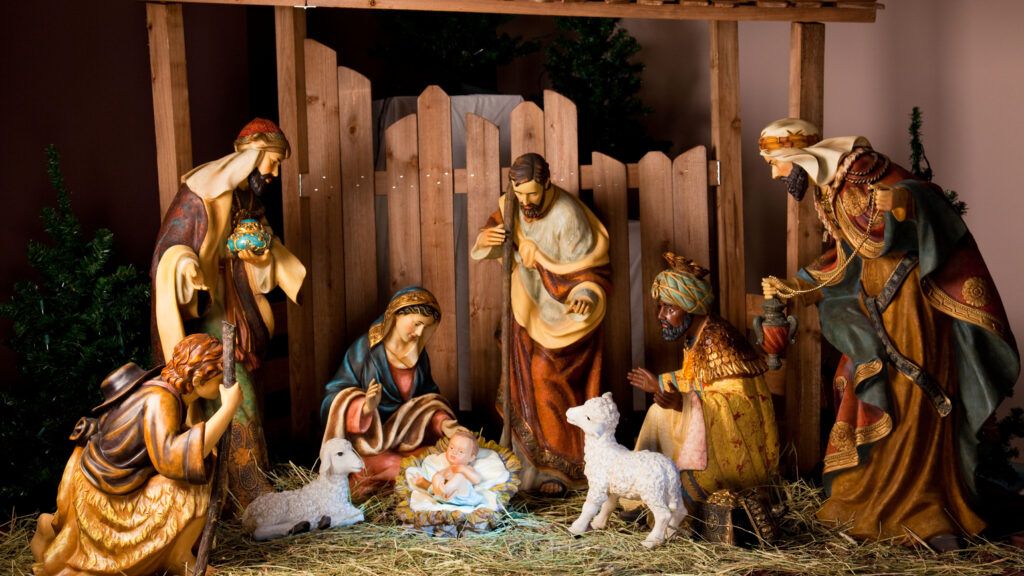
The word "Christmas" carries within it a weight of history, tradition, and cultural significance. It’s a word that evokes images of snow-covered landscapes, twinkling lights, and the joy of shared meals and gifts. But beyond the surface, "Christmas" signifies a complex tapestry of religious, cultural, and social threads, interwoven to create a unique and multifaceted holiday experience.
Etymology and Origins:
The word "Christmas" itself is a combination of two Old English words: "Cristes" (meaning Christ’s) and "mæsse" (meaning mass). This etymology directly links the celebration to the birth of Jesus Christ, a pivotal event in Christian theology. The holiday’s origins can be traced back to the 4th century, when the Roman Empire officially recognized Christianity. Early Christians celebrated the birth of Jesus on December 25th, a date that coincided with the Roman festival of Saturnalia, a time of revelry and gift-giving. This syncretism, the blending of pagan and Christian traditions, played a significant role in shaping the holiday’s early development.
Religious Significance:
For Christians, Christmas is a celebration of the incarnation of God in human form, marking the birth of Jesus Christ, the Son of God. It is a time of reflection on the central tenets of Christianity, including salvation, redemption, and the promise of eternal life. The holiday serves as a reminder of God’s love for humanity, manifested in the birth of Jesus, who is believed to be the Messiah, the savior of mankind.
Cultural and Social Significance:
Beyond its religious roots, Christmas has become a globally recognized holiday celebrated by people of diverse faiths and backgrounds. It has evolved into a time for family gatherings, gift-giving, and festive celebrations. The spirit of Christmas often emphasizes themes of generosity, kindness, and community. The holiday’s secular aspects have become increasingly prominent, with traditions like decorating Christmas trees, singing carols, and exchanging gifts becoming universally embraced.
Symbolism and Rituals:
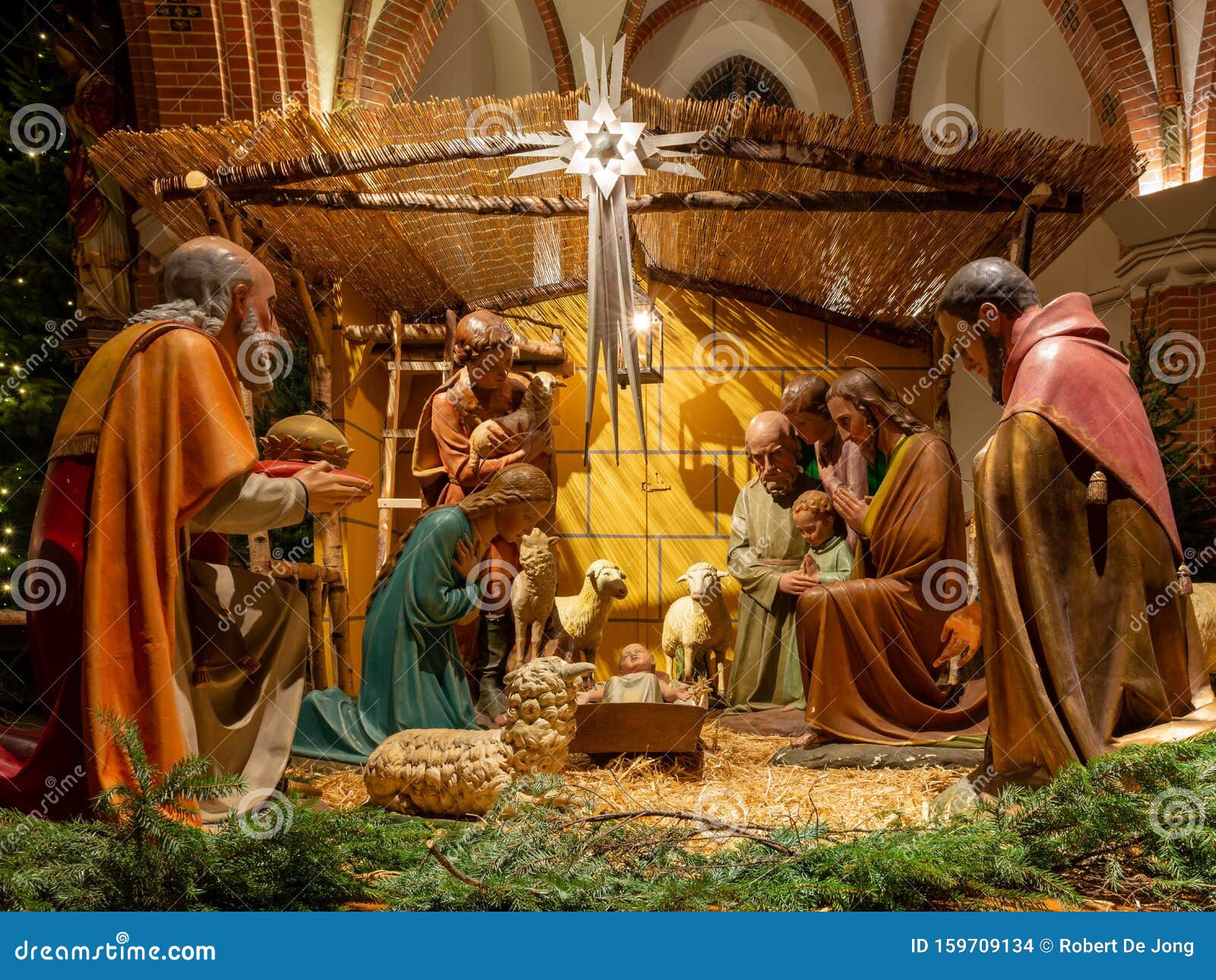
The holiday is rich in symbolism, with various elements holding specific meanings. The Christmas tree, for instance, symbolizes life, hope, and the eternal presence of God. The star atop the tree represents the Star of Bethlehem, guiding the wise men to the birthplace of Jesus. The exchange of gifts symbolizes the giving nature of God, offering humanity the gift of salvation through Jesus Christ.
Evolution and Modern Interpretations:
Over time, the celebration of Christmas has evolved, adapting to changing social norms and cultural influences. The holiday has become increasingly commercialized, with consumerism playing a significant role in its modern interpretation. However, despite these changes, the core values of generosity, love, and community remain central to the holiday’s spirit.
FAQ:
Q: Is Christmas a religious holiday?
A: While Christmas has its origins in Christianity and holds significant religious meaning for Christians, it has evolved into a culturally recognized holiday celebrated by people of various faiths and backgrounds.
Q: Why is Christmas celebrated on December 25th?
A: The exact date of Jesus’ birth is unknown. The early Church adopted December 25th as the date for the celebration, possibly coinciding with the Roman festival of Saturnalia.
Q: What are some common Christmas traditions?
A: Common traditions include decorating Christmas trees, exchanging gifts, singing carols, attending church services, and sharing special meals with family and friends.
Q: How has Christmas evolved over time?
A: The holiday has become increasingly commercialized, with consumerism playing a larger role. However, the core values of generosity, love, and community remain central to its spirit.
Tips:
- Focus on the spirit of giving: Engage in acts of kindness and generosity towards others, whether through volunteering, donating to charities, or simply offering a helping hand.
- Celebrate with loved ones: Take the opportunity to connect with family and friends, strengthening bonds and creating lasting memories.
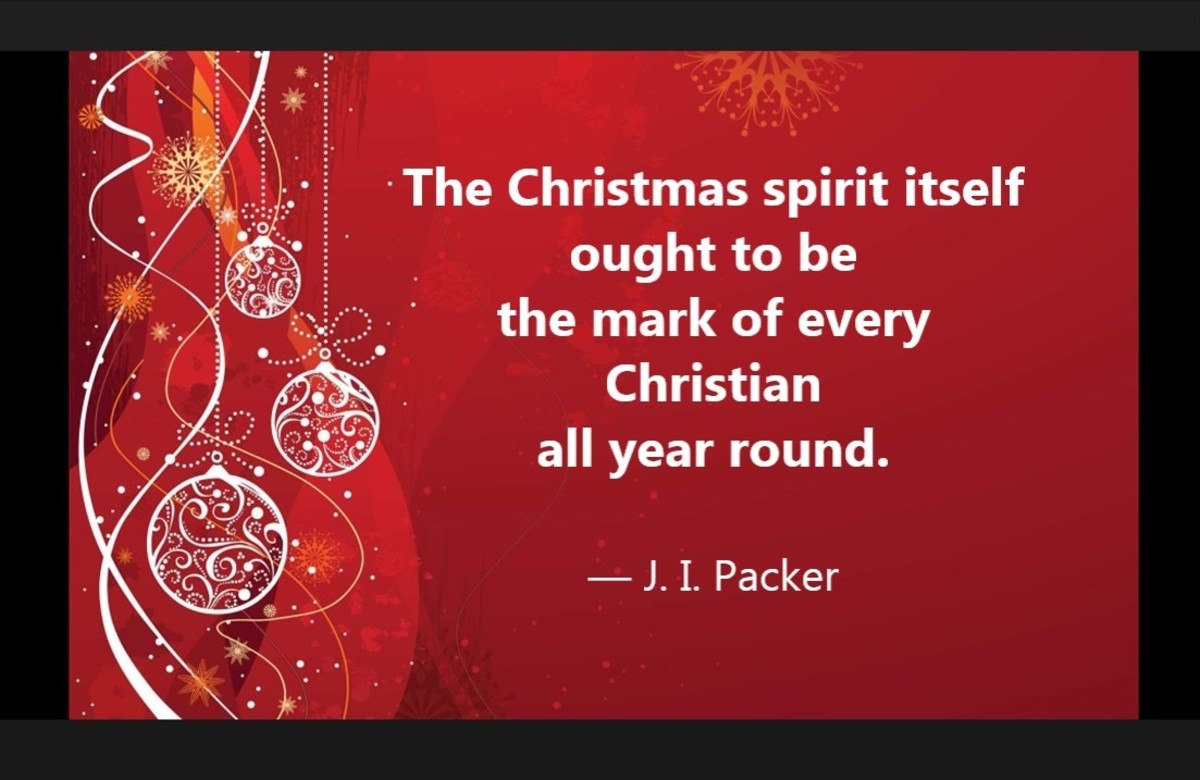
- Reflect on the true meaning of the holiday: Whether religious or secular, take time to reflect on the values of love, peace, and goodwill towards others.
- Embrace the traditions that resonate with you: Participate in traditions that hold personal meaning, whether religious, cultural, or simply enjoyable.
- Enjoy the festive atmosphere: Embrace the joy and merriment of the season, appreciating the festive decorations, music, and celebrations.
Conclusion:
The word "Christmas" encapsulates a complex tapestry of religious, cultural, and social threads. It is a holiday that evokes a range of emotions, from religious devotion to secular merriment. While its origins lie in Christian tradition, Christmas has become a globally recognized celebration, embraced by people of diverse backgrounds. The holiday’s core values of generosity, love, and community remain timeless, serving as a reminder of the importance of human connection and the spirit of giving. Whether celebrated for its religious significance, its cultural traditions, or simply its festive spirit, Christmas offers a unique opportunity for reflection, celebration, and connection.




Closure
Thus, we hope this article has provided valuable insights into Unpacking the Meaning of "Christmas": A Celebration of Humanity. We thank you for taking the time to read this article. See you in our next article!